Check criteria and Visa requirements for Retirement available.
When is the Best Time to Visit Jeju Island? Al Season-by-Season Guide for Seniors
Find the best month to visit Jeju Island. Compare Spring (flowers), Summer (beach/rain), Autumn (hiking/foliage), and Winter (budget/snow) with our full weather and crowd analysis.
KOREA
1/19/20263 min read
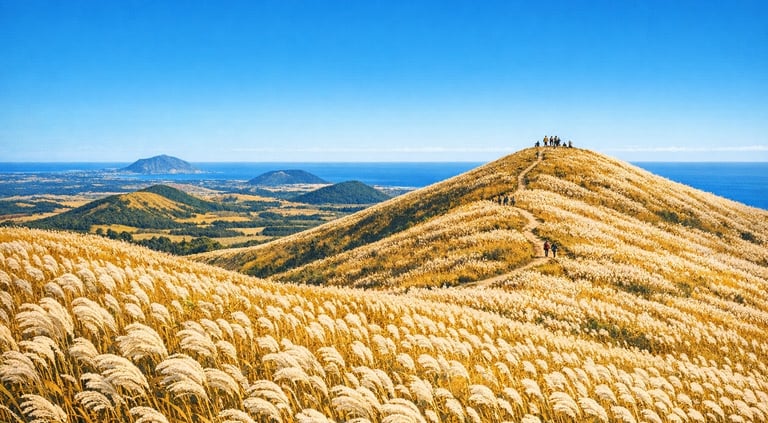
Jeju Island, a UNESCO World Heritage site, is a year-round destination for South Korea, but the ideal time to visit depends entirely on your travel goals. Are you chasing the iconic cherry blossoms? Do you want to hike the mighty Hallasan in perfect weather? Or are you looking for a quiet, budget-friendly escape?
We’ve broken down Jeju’s four distinct seasons—from the bustling heat of summer to the quiet chill of winter—to help you pinpoint the absolute best time for your perfect trip.
🥇 The Winner for Most Travelers: Autumn (September – November)
Why It's the Best: Autumn offers the most comfortable balance of weather, scenery, and crowds, making it the top overall choice for most visitors.
Weather
Crisp, clear, and dry. Temperatures are mild (average high 19°C in October), humidity is low, and the risk of heavy rain/typhoons drops significantly after early September.
Scenery
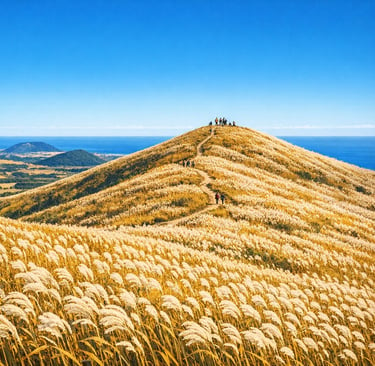
Visually Stunning. The island is covered in vibrant fall foliage (peaking late October/early November), and the famous Oreums (volcanic cones) are blanketed in shimmering Silver Grass (Eulalia), creating romantic, gold-toned landscapes
Crowds & Cost
Manageable. Crowds are significantly lower than in peak summer, leading to better prices and easier hotel/car rentals, especially from mid-October onward.
Best Activities
Hiking (Hallasan and Olle Trails), Oreum-climbing (e.g., Saebyeol Oreum for silver grass), Tangerine Picking (starts late October/November).
🥈 The Runner-Up: Spring (March – May)
Why It's the Best: If you are a flower enthusiast, this season is non-negotiable for its riot of color and mild weather.
Weather
Mild and pleasant (average high 16°C in April). Days are sunny and excellent for outdoor activities, though March can still be cool and breezy.
Scenery
Floral Wonderland. Jeju hosts the country's first blooms: Canola Flowers (early March – April) and King Cherry Blossoms (late March – early April, peaking for about one week).
Crowds & Cost
Moderate-High. The period around the cherry blossom peak is highly popular with domestic tourists, driving up accommodation costs and crowds at key viewing spots (like Jeonnong-ro).
Best Activities
Flower Chasing (Canola fields near Sanbangsan), Exploring coastal areas (Seongsan Ilchulbong), Enjoying the full flow of waterfalls (Cheonjiyeon) from melted snow.
⚠️ Peak Season Risks: Summer (June – August)
Why It's the Best (for some): If your absolute priority is swimming, sunbathing, and water sports, summer delivers the warmest sea temperatures.
Weather
Hot and highly humid (average high 27°C+). Monsoon Season runs from late June to mid-July, bringing heavy rain, and the risk of typhoons is highest in August and early September.
Scenery
Lush and Green. The landscape is vibrant, and the beaches are at their liveliest, but hiking is often uncomfortably hot and strenuous.
Crowds & Cost
Highest. This coincides with South Korean school holidays, resulting in maximum prices for flights, hotels, and rentals. Expect long lines at popular attractions.
Best Activities
Beach time (Hyeopjae, Jungmun Saekdal Beach), Indoor attractions (Aqua Planet, Manjanggul Lava Tube for the cool temperature), Water Festivals.
❄️ Best for Solitude and Budget: Winter (December – February)
Why It's the Best: Winter is the low season, offering the lowest crowds, cheapest prices, and a unique, tranquil landscape.
Weather
Cold and dry. Temperatures are milder than mainland Korea (average low 1°C on the coast), but it can be very windy. Snowfall is common, particularly on Hallasan and the 1100 Road.
Scenery
Unique. Hallasan is often a stunning snow-capped winter wonderland, and the coast is dramatic and clear. Camellia Flowers bloom, offering a touch of color.
Crowds & Cost
Lowest. This is the most affordable time to visit, with fewer tourists and less competition for accommodation and car rentals.
Best Activities
Snow Hiking (Hallasan, requires chains/equipment), Tangerine Picking Experience, Cozy Cafés and Museums, New Year’s Sunrise at Seongsan Ilchulbong Peak.
Summary Table: Picking Your Perfect Month
Best Weather & Hiking
October Crisp air, perfect temperatures, silver grass, low rain.
Flower Chasing (Blossoms)
Late March – Early April Cherry Blossoms and Canola Flowers are at their peak.
Beach & Swimming
Late July – August Warmest sea temperatures, but risks high heat and humidity.
Lowest Crowds & Cost
January / February Quieter island, best budget, cold but often clear days.
To Avoid Rain/TyphoonsOctober – November
Driest months with the least tropical storm activity.
Planning your trip? Check out our list of the best boutique hotels in Jeju for each season and book your flights now to secure early-bird prices!

Address
Blk 8 Cantonment Close
SIngapore