Visa rules change all the time. Stay legal by checking requirements for Asia's Travel and Retirement Visas. Updated July 2026.
Coronary Calcium Score vs. CT Angiogram: Which Test is Right for Your Heart?
Confused about heart scans? Compare the Coronary Calcium Score (CAC) vs. CT Coronary Angiogram (CTCA). Learn what each test reveals about plaque, blockages, and your risk.
USEFUL MEDICAL KNOWLEDGE
12/10/20253 min read
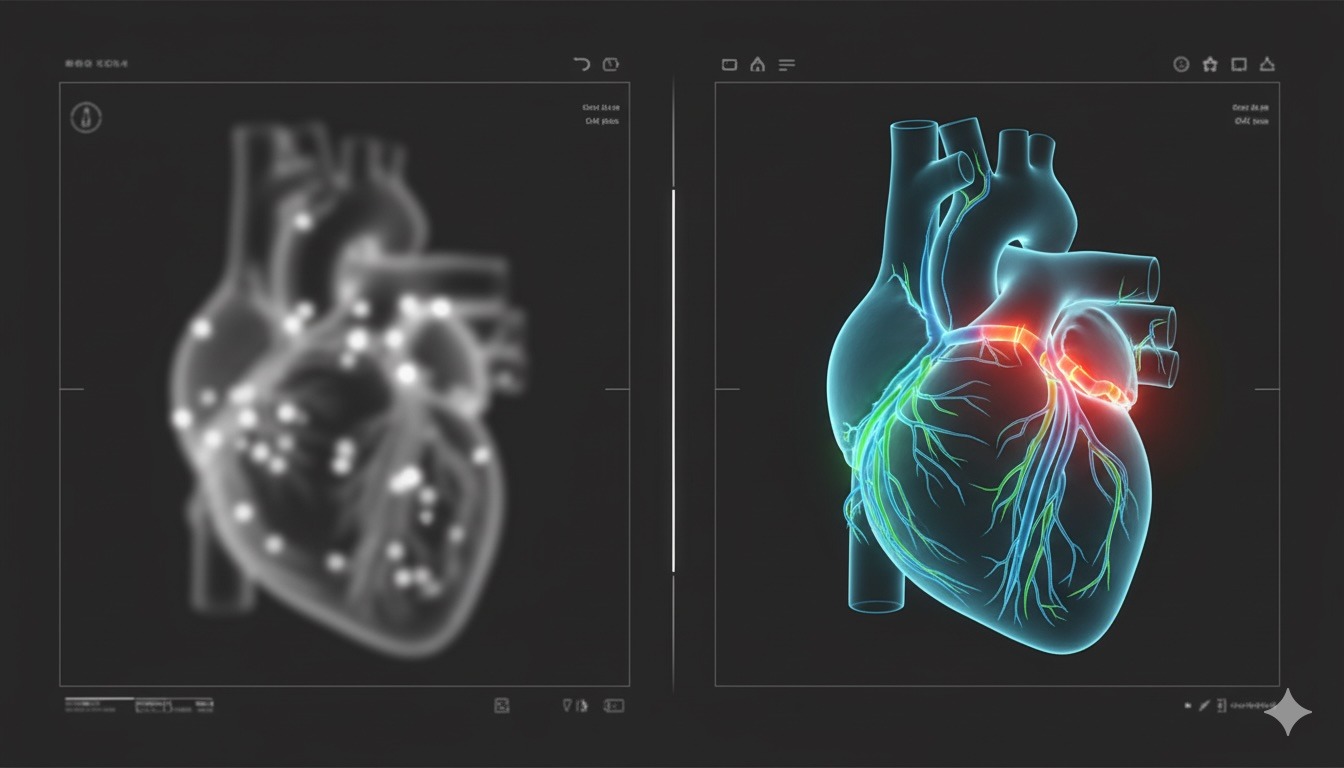
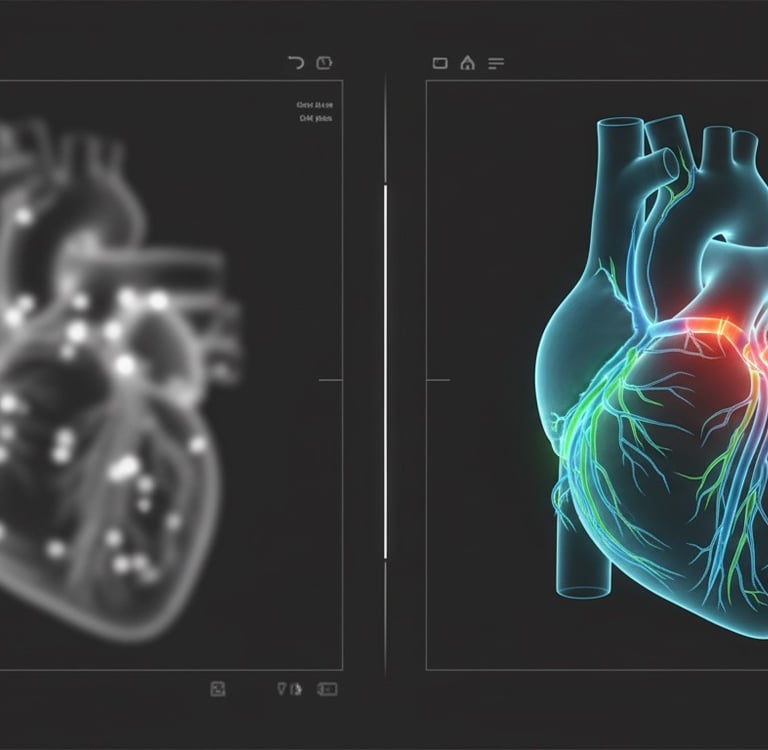
"I need a heart scan, but which one?"
It's a common question, and honestly, a confusing one. You’ve heard about the Coronary Artery Calcium (CAC) score, the quick, non-invasive scan that gives you a number. Then there's the CT Coronary Angiogram (CTCA), which is a bit more involved. Both use CT technology, and both look at your heart’s arteries. But comparing them is like comparing a general fire alarm to a detailed blueprint of where the flames are.
So, how do you and your doctor decide which tool is right for your heart health puzzle? It all comes down to your symptoms, your risk profile, and the practical factors of cost and time. Let's break down the purpose, process, and results of these two powerful diagnostic tools.
🔥 Coronary Artery Calcium (CAC Score): The Early Warning System (Risk Assessment)
The Coronary Artery Calcium (CAC) score is the heart health test for people who feel fine but have risk factors (like high blood pressure, cholesterol, diabetes, or a strong family history).
What It Does
The CAC score uses a non-contrast CT scan to simply detect and quantify calcified plaque—hardened deposits in your coronary arteries. Think of it as a measure of your lifetime plaque burden.
The Score & What It Means (The Agatston Score)
The CAC score provides a single number that classifies your risk: A Score of 0 offers powerful reassurance, suggesting a very low risk of a heart event for the next 5-7 years. Scores between 1 and 100 indicate mild plaque and may prompt lifestyle changes. Scores over 400 suggest extensive plaque and a high likelihood of significant underlying Coronary Artery Disease (CAD).
Key Data Point: A CAC score of zero has a Negative Predictive Value (NPV) of over 99% for major cardiovascular events in asymptomatic individuals over a median follow-up of 5 years.
🔎 CT Coronary Angiogram (CTCA): The Detailed Map (Diagnosis)
A CT Coronary Angiogram (CTCA) is a whole different ballgame. It is a highly detailed diagnostic test, typically reserved for patients who are symptomatic or who have a high pre-test probability of having a blockage.
What It Does
This scan is performed with contrast dye (injected intravenously) which lights up the blood flow through your arteries. This allows the radiologist to visualize:
The Arterial Lumen.
Non-Calcified ("Soft") Plaque, which the CAC score cannot see.
Stenosis (Blockages): The exact location and severity (e.g., 70% blocked) of any narrowing.
When You Need a CTCA
You generally need a CTCA if you are experiencing new or worsening chest pain, shortness of breath, or unexplained fatigue. It is also often ordered if your CAC score is very high (over 400) or if an initial stress test was inconclusive.
⚖️ The Comparison: Cost, Time, and Procedure
The choice between a CAC score and a CTCA is heavily influenced by the practical demands of each procedure.
Cost and Insurance
The CAC Score is considered a screening test, meaning it is generally not covered by health insurance. This often translates into a low, fixed, out-of-pocket cost for the patient, usually ranging from USD$100 to USD$400.
Conversely, the CTCA is a diagnostic test for symptomatic patients, meaning it is usually covered by insurance if medically necessary. However, the total cost is much higher (ranging from USD$500 to USD$3,000+), so while it’s covered, the patient's deductible and co-pay can still be substantial.
Time and Complexity
The CAC Score is the definition of simplicity. It is a quick, non-invasive scan that requires no IV and no medication. The total time spent at the clinic is usually a very short 15 to 30 minutes, with virtually no preparation required.
The CTCA is a more complex diagnostic procedure. The total time needed at the clinic is longer, often between 1 to 2 hours. This is because it requires an IV for the contrast dye and often necessitates pre-medication, such as a beta-blocker, to temporarily slow the heart rate. This heart rate reduction is crucial to capture the high-resolution images needed to see the arteries clearly. Preparation is also more involved, often requiring fasting and avoiding caffeine for several hours beforehand.
The Deciding Factor: Risk vs. Symptom
Key Difference
CAC Score Risk Assessment
Asymptomatic (Intermediate Risk)
No Contrast Dye,
Low Cost,
Very Fast Time
CTCA Diagnosis
Symptomatic (Chest Pain, SOB)
Requires Contrast Dye,
Higher Cost (Deductible),
Longer Time
The Bottom Line: If you're generally healthy but want to confirm your risk profile, start with the CAC Score. If you're experiencing chest pain or symptoms of heart trouble, the detailed visualization of the CT Angiogram (CTCA) is the more appropriate diagnostic test.
📞 Call-to-Action
Ready to discuss your heart health options? Don't self-diagnose! Use this information as a starting point, and schedule an appointment with your cardiologist today to determine which screening or diagnostic test is the best next step for your unique health profile.
Disclaimer: This article is for informational purposes only and does not constitute professional medical advice. Always consult with a qualified healthcare professional before making any decisions about medical tests or treatments.

Address
Blk 8 Cantonment Close
SIngapore