Visa rules change all the time. Stay legal by checking requirements for Asia's Travel and Retirement Visas. Updated July 2026.
How to Make Your 2026 Retirement Health Resolution Stick (Low-Stress Plan)?
Retiree health resolutions fail due to high stress. Learn the 4 pillars (Movement, Mental, Social, Financial) for a low-impact, sustainable 2026 plan.
RETIREMENT PLANNING
1/4/20263 min read
It’s January 2026, and you’re looking at your new retirement calendar. No more mandatory meetings, no more daily grind—just open space. This freedom is wonderful, but it also means your health and happiness now depend entirely on you.
You might set a typical New Year’s Resolution: "I will exercise more!" or "I will lose 15 pounds!" But let's be honest, those crash-and-burn resolutions rarely last past February, especially when life throws a curveball, or a joint starts aching.
The secret to a 2026 health resolution that sticks in retirement isn't high-intensity commitment; it’s low-stress consistency. It’s about building a sustainable, purpose-driven lifestyle that adds quality and meaning to your years.
The Problem with Intensity: Burnout in Retirement
Retirement is a shift in pace. Your wellness plan should match it. Trying to jump straight into a rigorous routine is a recipe for injury and failure. Instead, we’ll adopt a gentle, holistic approach based on four key pillars of healthy aging.
🚶 Pillar 1: Movement That Matters (Functional Fitness)
Forget running a marathon. Focus on functional fitness—movements that help you stay independent: getting up from a chair, carrying groceries, and maintaining balance.
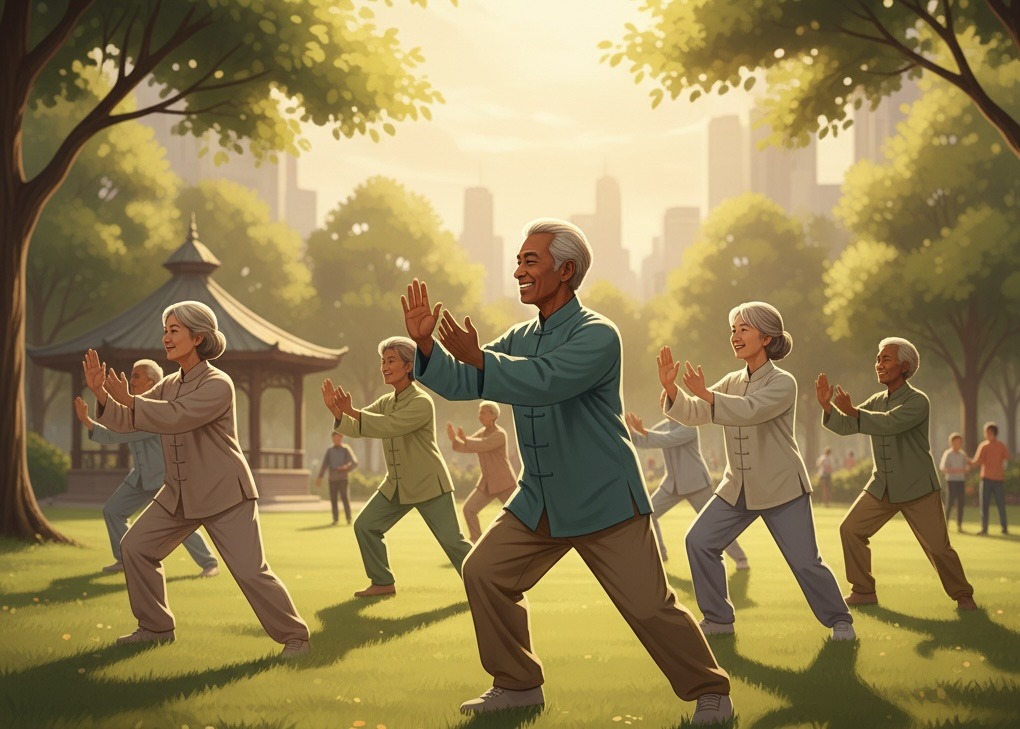
Low-Impact is King: Water aerobics, Tai Chi (太極), and Chair Yoga offer all the benefits of strength and flexibility without the joint strain.
The 10-Minute Rule: You don't need an hour. Aim for 10 minutes of gentle movement every day. This daily consistency (our friend Kaizen) is superior to sporadic intensity.
I know a neighbor, Mr. David, who struggled with knee pain. He started 15 minutes of Tai Chi in his living room every morning, and within six months, he said he could climb his stairs without pausing. Small effort, massive result.
According to the CDC, regular physical activity in older adults can reduce the risks of developing dementia and Alzheimer's disease, and it improves bone strength and balance.
🧠 Pillar 2: The Mental Workout (Cognitive Reserve)
Your brain, like your muscles, needs resistance training. Retirement is the perfect time to build your cognitive reserve—the brain’s ability to cope with age-related changes.
Lifelong Learning: Sign up for a class at a community college or online. Learn a new language, try photography, or tackle a complex puzzle.
Purpose: Studies consistently show that individuals who maintain a clear sense of purpose (Ikigai) after retirement live longer, healthier lives. Volunteer, mentor a younger person, or finally write that book!
🤝 Pillar 3: Social Connection (The Longevity Bonus)
Loneliness is a significant health risk for seniors. Your social health is just as important as your physical health.
Group Activities: Join a walking club, a book club, or a community gardening group (텃밭). Group activities provide structure, accountability, and meaningful interaction.
Stay Relevant: Mentoring or taking a part-time job that offers social interaction helps you feel valued and reduces the stress associated with feeling disconnected.
💵 Pillar 4: Financial Peace (Reducing Health Stress)
Worry over rising healthcare costs is a major stressor for seniors. Addressing this is a critical health resolution.
Budget for Wellness: Proactively review your insurance (like understanding changes to the Basic Healthcare Sum, which rose to S$79,000 in 2026 for some Singaporeans, according to CPF data). Factor in costs for gym memberships or activity classes.
Data Check: A 2025 report from the Global Medical Trends Survey projects that medical costs in the Asia Pacific region are expected to reach a 14% increase in 2026, underscoring the need for preventive care and financial planning.
Your 2026 Low-Stress Action Plan
Instead of a vague goal, commit to one achievable daily action from each pillar:
Actionable Resolution (Low-Stress)
Movement: Walk for 15 minutes after dinner every day.
Mental: Spend 10 minutes learning five new words in a language you love.
Social: Schedule one video call or coffee meeting with a friend/family member weekly.
Financial: Review one healthcare document or bill per week to ensure understanding.
By focusing on these small, sustainable habits, your 2026 resolution will not just stick; it will transform your retirement into your healthiest, most purposeful chapter yet.
What is the one low-impact movement you commit to doing every day this week?
Disclaimer: This article is for informational purposes only and does not constitute professional advice. Consult a financial or medical professional before making major decisions.
Address
Blk 8 Cantonment Close
SIngapore