Visa rules change all the time. Stay legal by checking requirements for Asia's Travel and Retirement Visas. Updated July 2026.
Is Matcha Green Tea the new Asia's Super tea? The Definitive Answer That Changes How You Drink It
Is matcha just powdered green tea? Get the definitive answer. We break down the 3 key differences in growth, processing, and nutrients that make matcha a true powerhouse.
HEALTHY RECIPES
12/13/20253 min read
The $4 Latte Question: What Exactly is That Bright Green Powder?
Remember the first time you saw a vibrant, emerald-green drink being whipped up at a café? If you’re like me, your initial thought was probably, "Wow, that's some intense green tea." We've all been there. It’s natural to lump it all together. But here's the honest truth, and the simple, definitive answer to the question everyone asks:
Yes, matcha is green tea. But it’s not just green tea.
Think of it this way: all bourbon is whiskey, but not all whiskey is bourbon. Matcha is the high-end, special-edition version of green tea—the one that requires a whole different growing process, preparation ritual, and delivers a radically different nutrient profile.1 The distinction isn’t just semantic; understanding it changes everything about how you buy, prepare, and drink it.
The Big Three Differences That Matter
What makes matcha leap from a gentle, steeped beverage to a vibrant, foamy powerhouse? It all comes down to three key stages: Growth, Processing, and Consumption.
1. The Shady Life: How it's Grown
Regular green tea leaves are grown in full sunlight.2 Matcha leaves, however, are shade-grown for the last 20-30 days before harvest.
Why the shade? Denying the plant sunlight forces it to produce higher levels of Chlorophyll (which gives matcha its signature bright green color) and, crucially, the amino acid L-Theanine.
The Result: That's where you get the famous "calm focus." L-Theanine counteracts the jittery side effects of caffeine, giving you a sustained, clear energy boost instead of a sudden peak and crash.
2. Whole Leaf Power: How it's Processed
When you make regular green tea, you steep the leaves in water, and then you throw them away.6 You’re only drinking the infusion—a fraction of the nutrients.
Matcha, conversely, is prepared by:
Harvesting the shade-grown leaves.
Steaming them (to stop oxidation).
Removing the stems and veins (the "tencha").
Stone-grinding the tencha into a super-fine powder.
You are drinking the entire tea leaf. This is the core difference that supercharges its benefits.
I remember my first cup of traditional matcha. It wasn't the sweet latte I expected, but a slightly grassy, creamy bowl of pure energy. It took me 10 minutes to whisk it right, but the ritual alone was enough to make me slow down and appreciate the difference!
3. Nutritional Firepower: The Data Comparison
Because you consume the whole leaf, the concentration of beneficial compounds in matcha is dramatically higher than in a typical cup of steeped green tea.7
Antioxidants (EGCG): A 2019 study published in the Journal of Chromatography A found that the concentration of the powerful antioxidant Epigallocatechin gallate (EGCG) in matcha was up to 137 times higher than in a conventional green tea brew.8 EGCG is linked to metabolism support and fighting free radicals.
Amino Acids (L-Theanine): High-quality ceremonial grade matcha can contain up to five times more L-Theanine than regular green tea, according to a review published by the National Institutes of Health (NIH) in 2024.
Caffeine Content: A standard serving of matcha (1 gram of powder) typically contains between 60 and 80 mg of caffeine, which is about double the amount in a cup of regular green tea (approx. 30-40 mg).
Compound
Regular Green Tea (Steeped)
EGCG Antioxidants Moderate, Higher Cell protection
L-Theanine Low, Calmness
Chlorophyl l Low, Detoxification
Matcha (Whole Leaf) Key Benefit
EGCG Antioxidants Up to 137X , Metabolism
L-Theanine High. Focus, No jitters
Chlorophyl l High, Vibrant Color
Changing How You Drink It
The definitive answer is: Matcha is a superior form of green tea.
This difference means you need to treat it differently.
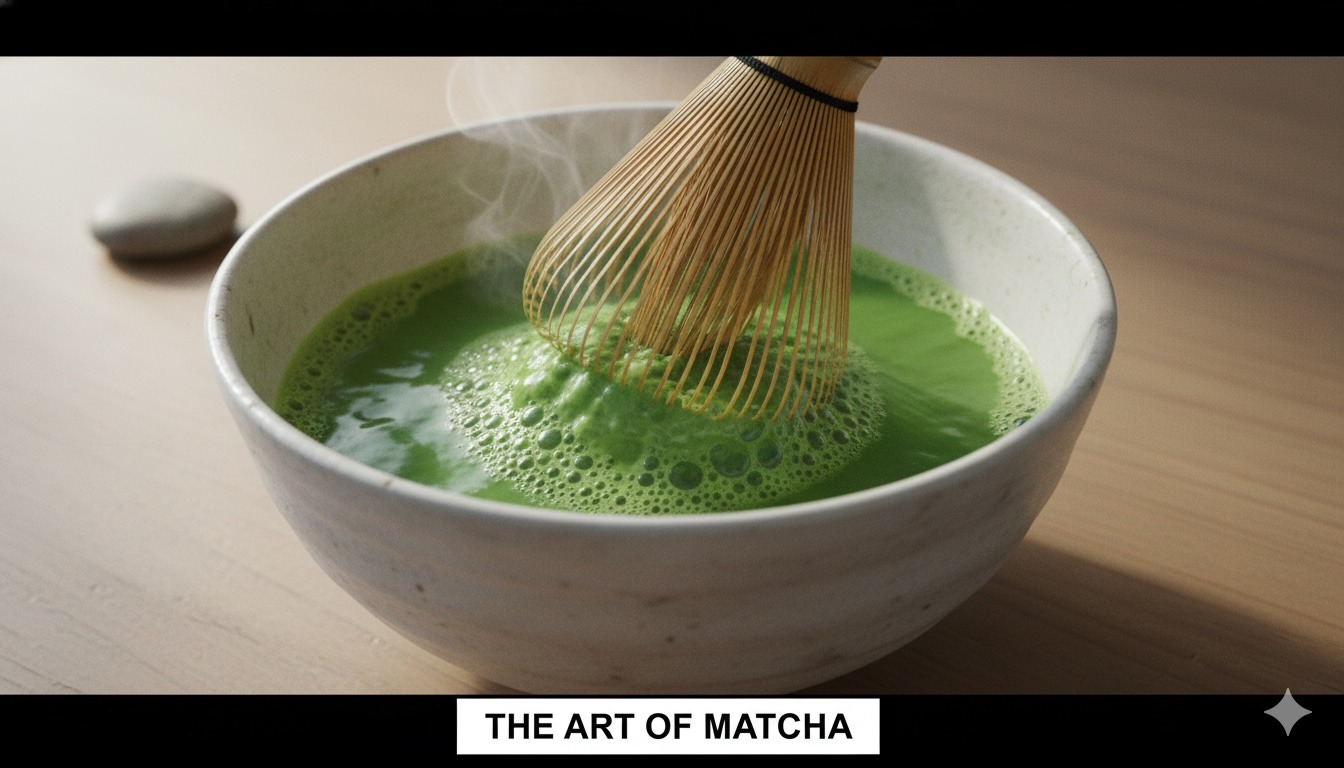
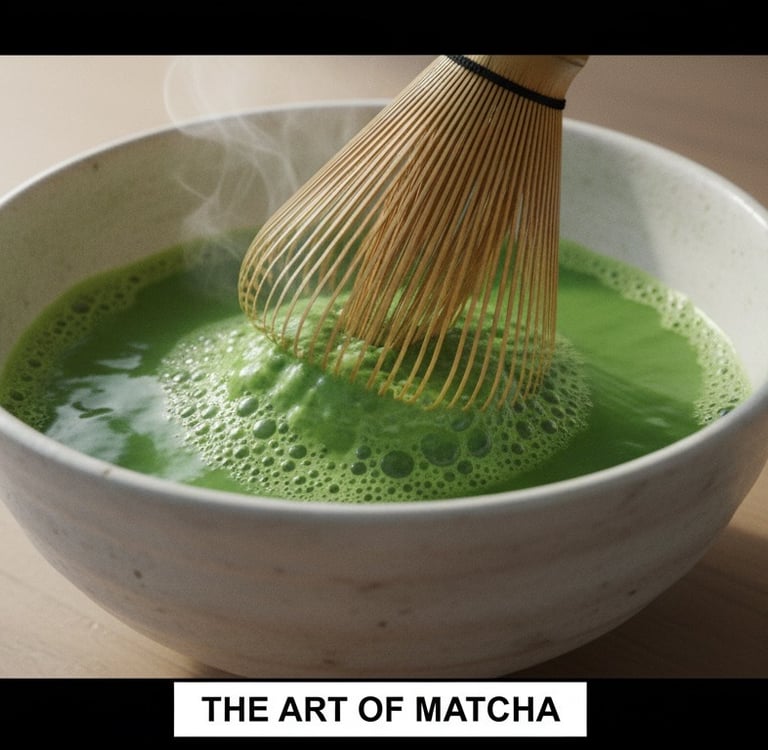
Don't Brew, Whisk: You don't steep matcha; you whisk it with hot water (not boiling!) into a suspension. Use a bamboo whisk (Chasen) for the best results and froth.
Choose Your Grade: Ceremonial Grade is best for pure tea—it's smoother and less bitter.11 Culinary Grade is designed for lattes, baking, and smoothies where the flavor needs to stand up to other ingredients.
Mind the Time: Since it offers a smooth, sustained energy boost, matcha is the perfect morning or mid-day beverage for focused work, unlike the harsh jolt of coffee.
Call to Action: Have you made the switch from a steeped cup to a whisked bowl? Share your favorite matcha recipe or preparation tip in the comments below!
Disclaimer: This article is for informational purposes only and does not constitute professional advice.

Address
Blk 8 Cantonment Close
SIngapore