Visa rules change all the time. Stay legal by checking requirements for Asia's Travel and Retirement Visas. Updated July 2026.
Is Osaka Truly Senior-Friendly?
Planning a trip to Osaka with older parents or seniors? Discover Osaka’s surprising accessibility, easy transport, and best low-impact attractions.
TRAVELJAPAN
11/30/20253 min read
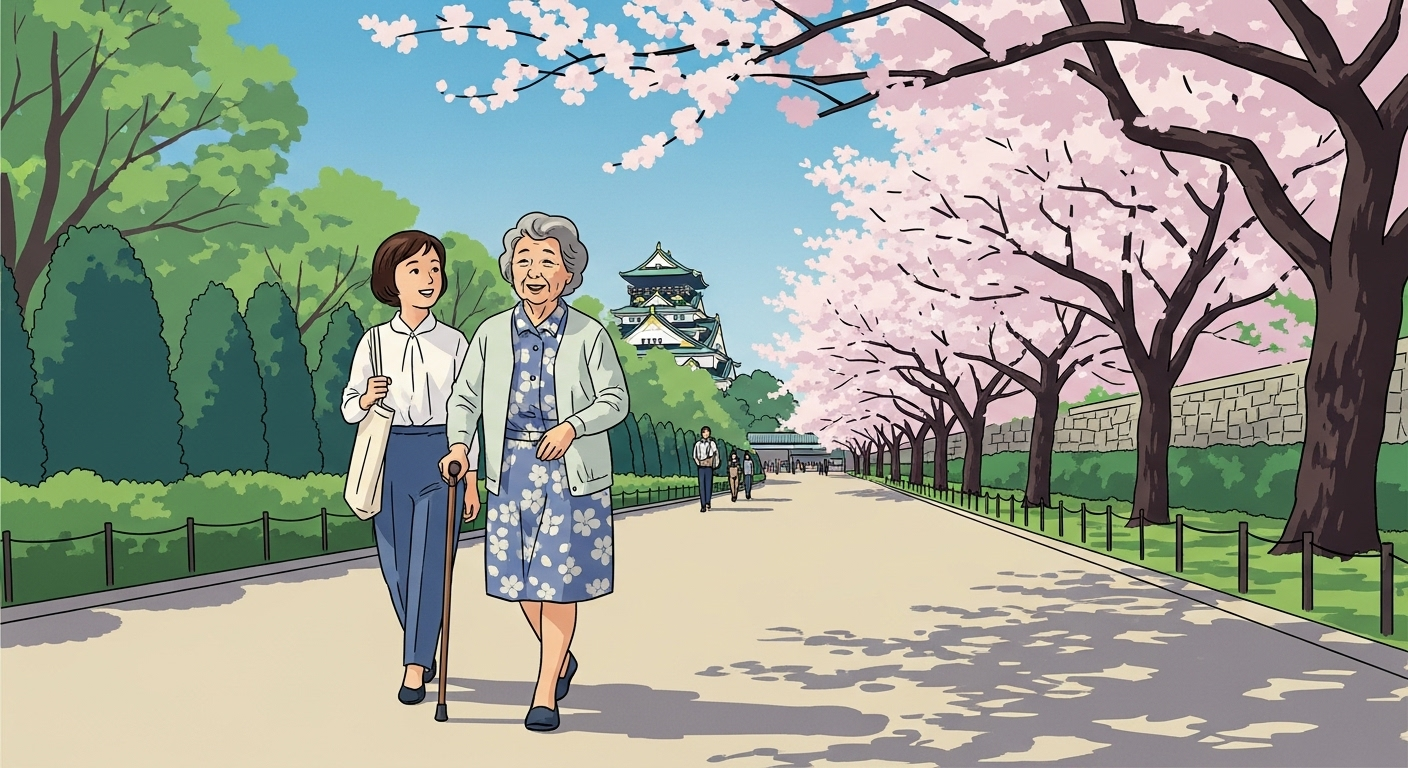
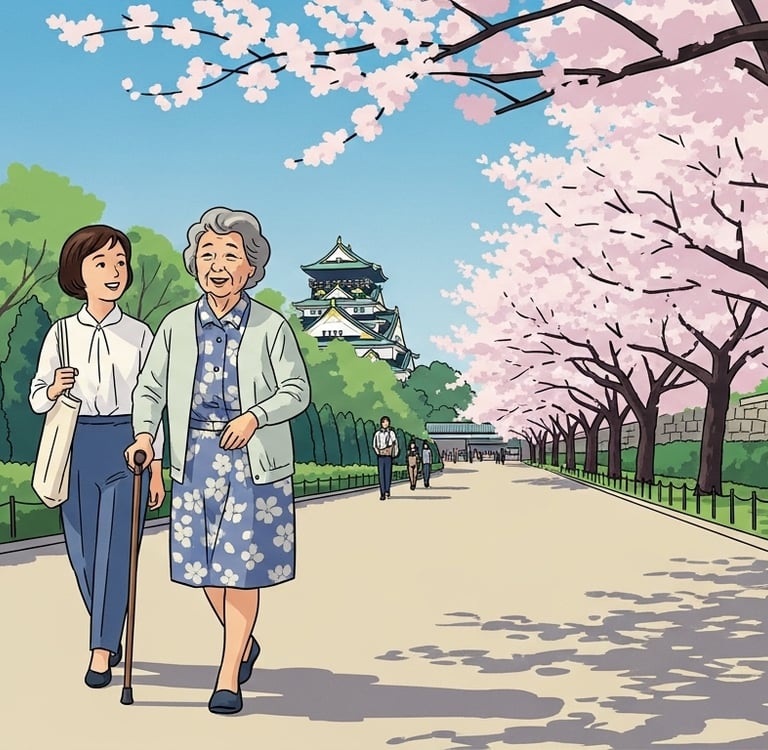
The short answer is a resounding yes, but with a few key caveats. Osaka is less about navigating ancient, gravelly paths and more about urban accessibility and a relaxed, food-focused pace. It's built for comfort, not constant climbing. It's a cross between Kobe (Mostly flat) and Kobe (Parts are steep) where section of Osaka is easy to access while some parts may be a challenge. And Osaka is a big city; probably Kobe and Kyoto combined.
I once took my own slightly mobility-challenged uncle to Dotonbori. He didn't want to hike up a mountain temple; he wanted to see the famous Glico Man sign and eat takoyaki. Osaka delivered on its promise of accessible pleasure. Here’s why it works and how you can make your trip seamless for older travelers.
The Accessibility Advantage: Built for Comfort
Osaka's infrastructure is one of its biggest selling points for senior travel, largely because of Japan's overall push for "barrier-free" design.
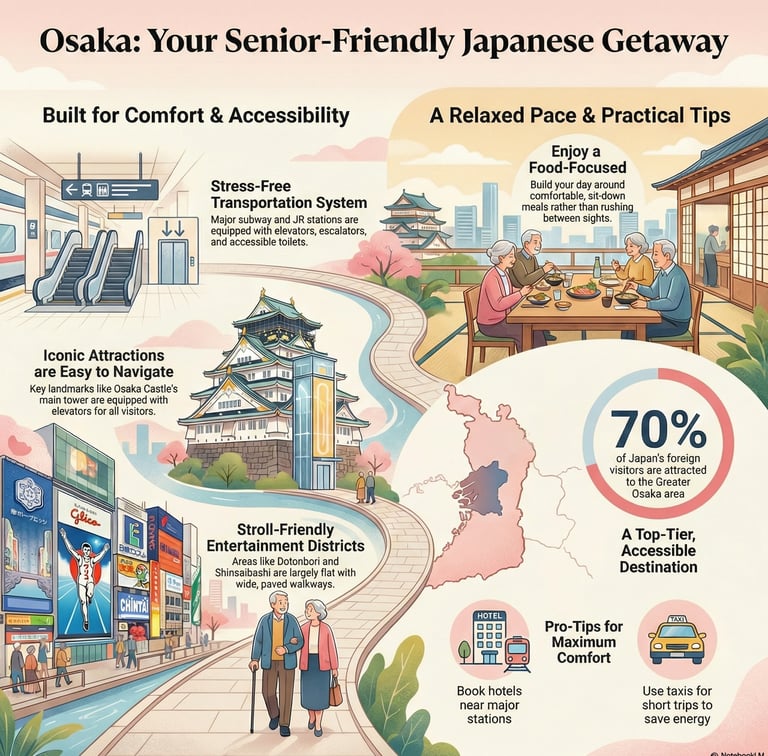
1. Transportation is Stress-Free Unlike some older transit systems worldwide, Osaka’s major subway and JR stations are impressively equipped. According to a 2024 report on accessible travel in Japan, significant effort has gone into ensuring elevators, escalators, and accessible toilets are available at most major stations. If you need assistance using the train with a walker or wheelchair, simply approaching a station attendant at the ticket gate will ensure a smooth, ramped entry and exit at both ends of your journey. But beware that Osaka main 3 stations are huge; so perhaps you may want to consider arriving early to catch a bullet train if you are with a senior.
2. Accessible Attractions are the Norm You don't have to miss out on the highlights. The city’s iconic landmarks are often a breeze:
Osaka Castle: While many Japanese castles require a tough climb, the main tower (Tenshukaku) of Osaka Castle is equipped with a dedicated elevator, allowing everyone to enjoy the panoramic city views (Source: Accessible Japan, 2024).
Dotonbori & Shinsaibashi: These famous shopping and entertainment districts are largely flat, with wide, paved walkways. It’s perfect for slow strolls and people-watching without worrying about steep hills.
Umeda Sky Building: This modern landmark is easily navigated, offering incredible views from the top observation deck.
Pace and Pleasure: Embracing the Osaka Vibe
The key to a successful senior trip is managing the pace—and Osaka is happy to oblige.
1. The Joy of the Food Focus Osaka is less reliant on time-consuming sightseeing and more focused on incredible cuisine. Instead of rushing between temples, you can build your day around comfortable, sit-down meals.
Data Point: The city is a major draw for tourists. The Greater Osaka area, along with Greater Tokyo and Aichi, accounted for approximately 70% of foreign visitor travel in Japan in 2024, demonstrating its status as a high-value, easy-to-access destination (Source: Japan Tourism Agency, 2024).
2. A Respite from Crowds (Relatively) While popular, Osaka generally feels less frenetic than Tokyo and less saturated with bus-tour crowds than Kyoto. For a truly relaxing day, visit serene spots like Nishinomaru Garden at Osaka Castle Park, which offers benches and peaceful scenery.
3. Comfort-Centric Tips for Older Parents
Hotels Near the Station: Book accommodation directly next to a major hub like Shin-Osaka or Umeda/Osaka Station. Being just steps from the exit reduces exhaustion exponentially.
Use Taxis for Short Hops: Japanese taxis are clean, professional, and accessible. Don't hesitate to use them to travel between attractions instead of relying solely on the subway—it saves energy for the actual sightseeing.
The Onsen Stop: Schedule a day trip to a nearby, senior-friendly hot spring town like Arima Onsen (easily reachable from Osaka) for a day of therapeutic rest and relaxation.
In conclusion, Osaka is far more than just a culinary hotspot. Its modern accessibility, flat urban landscape, and focus on slow, enjoyable activities make it a genuinely senior-friendly destination. It allows older parents to feel immersed in a vibrant Japanese city without feeling physically overwhelmed.
Have you traveled to Osaka with older family members? Share your favorite accessible restaurants or travel tips!
Disclaimer: This article is for informational purposes only and does not constitute professional advice.

Address
Blk 8 Cantonment Close
SIngapore