Visa rules change all the time. Stay legal by checking requirements for Asia's Travel and Retirement Visas. Updated July 2026.
Signature Cuisines of Asia's Top 7 Food Destinations. Distinctive taste for a Senior's palate
Explore the flavor profiles, national dishes (Sushi, Pho, Laksa, Kimchi), and UNESCO food cultures of China, Japan, Korea, Vietnam, Thailand, Malaysia & Singapore.
TRAVELFOOD
12/28/20253 min read
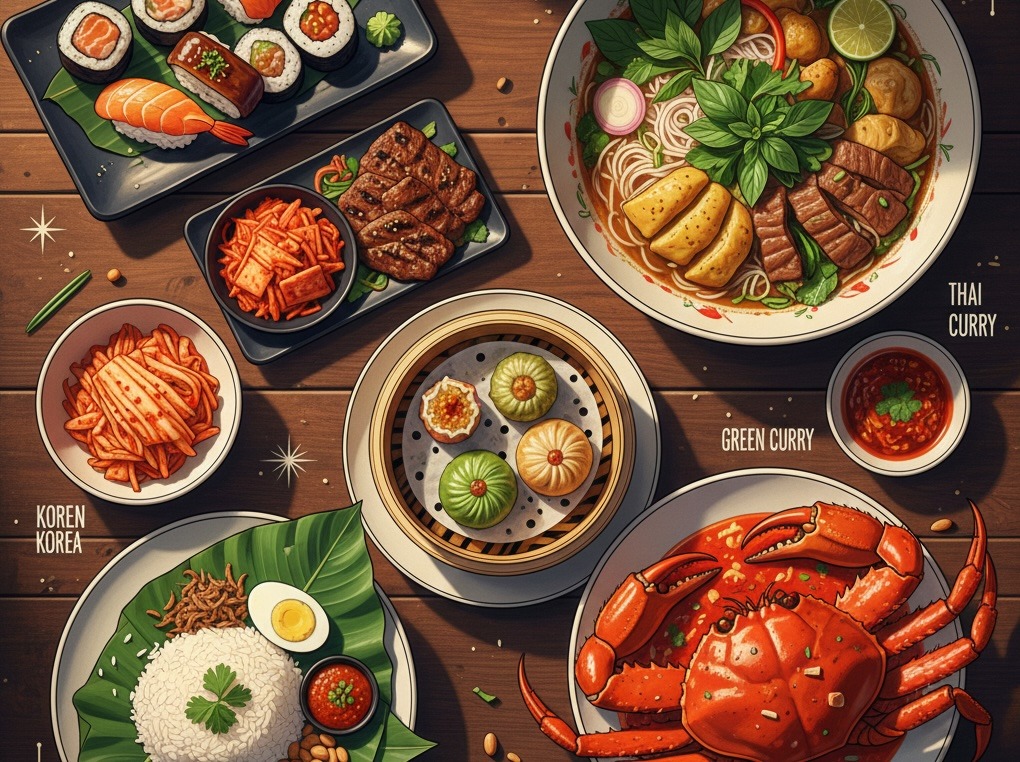
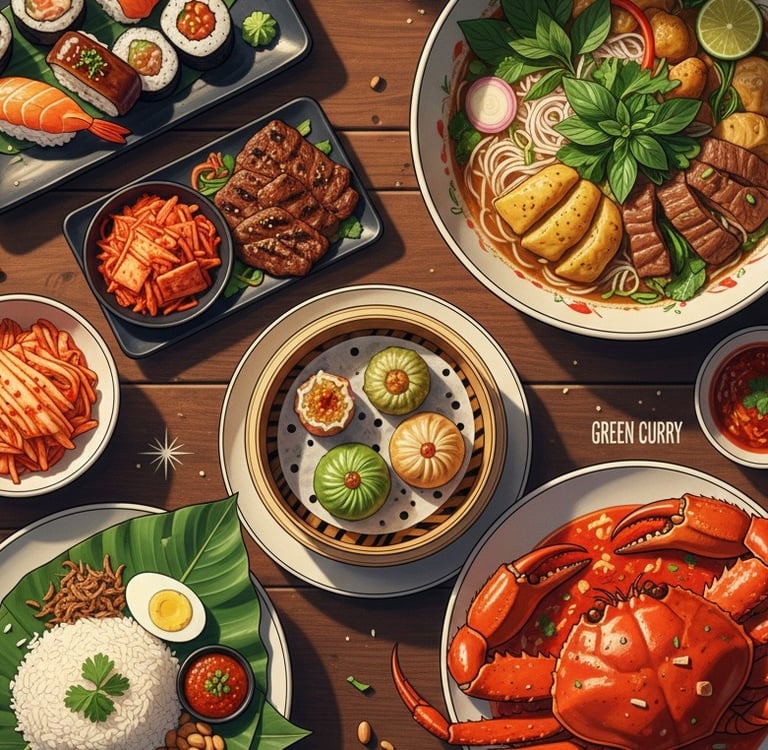
If travel broadens the mind, food travel explodes the palate. Asia is not just a destination; it is a tasting menu of the world. From the disciplined artistry of a Tokyo counter to the chaotic, fragrant streets of Bangkok, the culinary differences between these seven nations are as vast as their geography.
We break down the core flavor profiles, signature dishes, and cultural importance of the cuisines in China, Japan, South Korea, Vietnam, Thailand, Malaysia, and Singapore.
Part 1: The Umami-Rich Precision of East Asia
East Asian cuisine prioritizes umami (the savory, fifth taste), fermentation, and precise cooking methods. Meals are often balanced, comforting, and less reliant on intense spice (relative to their southern neighbors).
🇯🇵 Japan Sushi/Sashimi, Ramen, Tempura, Kaiseki Umami-Forward, Subtle, Pure. Mild sweetness, subtle saltiness (from soy/miso).
Precision and Seasonal Purity. Washoku (traditional cuisine) is UNESCO recognized. Focus on fresh, often raw ingredients and presentation (Omotenashi).
🇰🇷 South Korea Kimchi, Korean BBQ (Bulgogi), Bibimbap, Tteokbokki Bold, Spicy, Fermented. Heavy use of garlic, sesame, red pepper flakes (gochugaru), and savory/meaty notes.
Communal and High-Impact. Fermentation (Kimjang, the process of making kimchi, is UNESCO recognized). Beef is a highly treasured protein.
🇨🇳 China Peking Duck, Dim Sum (Cantonese), Mapo Tofu (Sichuan) Diverse Regionality. Varies from Sichuan’s numbing spice (麻辣) to Cantonese’s light, steamed freshness. Overall: Balanced and Complex.
Historical and Symbolic. Cooking methods (wok-frying, braising, steaming) and ingredients are deeply rooted in regional history and medicinal principles.
Culinary Contrast: While Japan seeks the purest flavor of an ingredient, China seeks to balance and harmonize multiple complex flavors in a single dish.
Part 2: The Aromatic, Multi-Layered Spice of Southeast Asia
Southeast Asian cuisine is a symphony of flavor contrasts: sweet, sour, salty, and spicy all hit the palate simultaneously. It is defined by fresh herbs, citrus, coconut milk, and strong aromatic pastes.
🇹🇭 Thailand Pad Thai, Tom Yum Goong, Green Curry Harmoniously Balanced. The quintessential blend of sweet, sour, salty, and spicy in every bite. Intense aroma from herbs (lemongrass, galangal).
Street Food and Spontaneity. High usage of shrimp/fish paste, tamarind, and chili. Tom Yum Goong was recently inscribed on the UNESCO Representative List (2024).
🇻🇳 Vietnam Phở, Bánh Mì, Gỏi cuốn (Spring Rolls) Light, Aromatic, Fresh. Mellow use of spice (often added by the diner). Broths are clear, herbaceous, and seasoned primarily with fish sauce (nước mắm).
Herbal and Refreshing. Strong French influence (Bánh Mì and coffee). Focus on fresh vegetables and dipping sauces for customization.
The Spice Hierarchy: While both are spicy, Thai cuisine typically incorporates heat directly into the dish (curry paste), while Vietnamese cuisine usually provides spice as an optional condiment (chili oil, fresh chili slices).
Part 3: The Multicultural Fusion Hubs
Malaysia and Singapore sit at the heart of historical trade routes, resulting in rich, deeply layered fusion cuisines known as Peranakan (or Nyonya) food.
🇲🇾 Malaysia: The Spiced National Identity
Malaysia’s national dish is Nasi Lemak (coconut rice with sambal, anchovies, peanuts, and egg). The flavor profile is intensely rich, savory, and spicy, blending Malay, Indian, and Chinese techniques.4 Other stars include Rendang (slow-cooked spiced meat) and the highly personalized Sarawak Laksa (a complex, creamy noodle soup).
Cultural Note: Malaysian food is deeply tied to the Makan (eating) culture, often enjoyed communally at hawker stalls and simple restaurants.
🇸🇬 Singapore: Hawker Culture and Precision
Singapore’s unofficial national dish is Hainanese Chicken Rice (poached chicken and rice cooked in broth, served with chili-ginger sauces).6 The cuisine is a masterful fusion of the region's best. Other icons include Chilli Crab and Char Kway Teow.
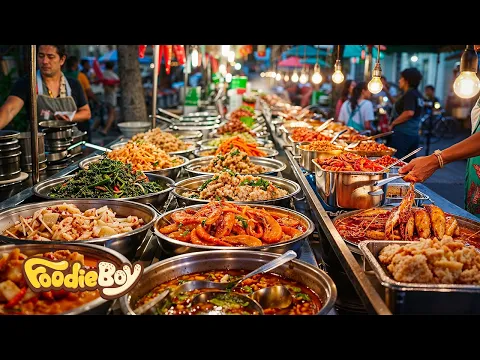
Cultural Note: Singapore’s Hawker Culture was successfully inscribed on the UNESCO Intangible Cultural Heritage list in 2020, recognizing the city-state's unique, multicultural street food tradition.7 The emphasis is on quality control, hygiene, and accessible, high-standard ethnic fusion.
Conclusion
The journey through Asia's culinary landscape is a reflection of its history—from Japan's refined Omotenashi to Malaysia's vibrant trade-route fusion. Whether you are chasing the five fundamental flavors of Thailand or the ultimate umami bomb in Korea, every destination offers a signature taste that defines its character.
What signature dish is at the top of your Asian food bucket list? Tell us in the comments!
Address
Blk 8 Cantonment Close
SIngapore