Visa rules change all the time. Stay legal by checking requirements for Asia's Travel and Retirement Visas. Updated July 2026.
The Hidden Power of Sweet Potatoes: 5 Health Benefits for Seniors & Healthy Aging
Discover why sweet potatoes are a superfood for seniors. Learn 5 key benefits, including vision protection & gut health, and the essential cooking method for managing blood sugar. (155 chars)
HEALTHY RECIPES
3/6/20263 min read
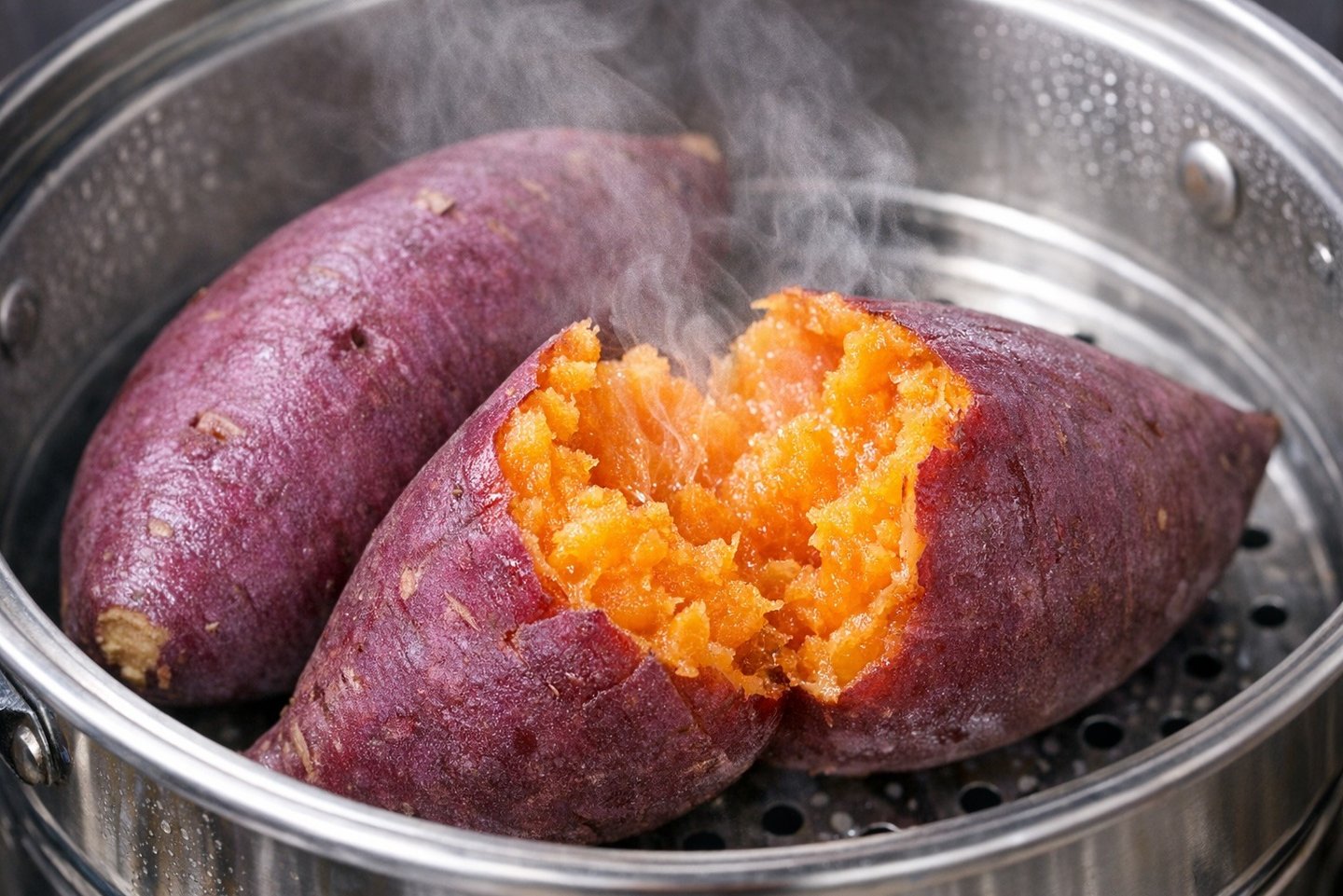
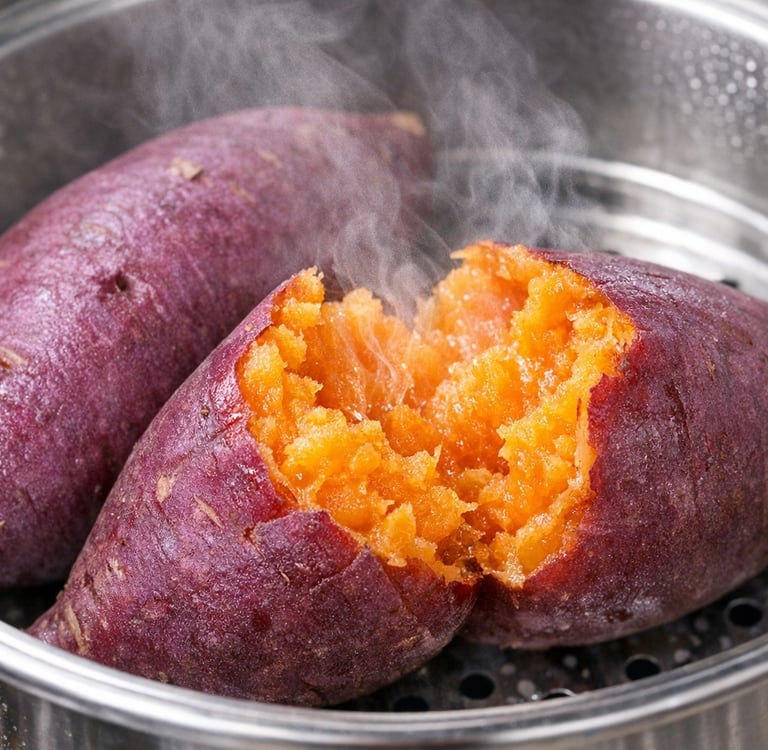
When we talk about "superfoods," we often picture exotic berries or trendy greens. But sometimes, the greatest health heroes are right in our own pantry. The humble, vibrant sweet potato is one such hero, offering a powerhouse of nutrition specifically tailored to the common health challenges faced in the golden years.
Sweet potatoes are much more than a holiday side dish. Their dense nutrient profile, coupled with key preparation knowledge, makes them arguably one of the most beneficial tubers for seniors seeking to boost immunity, protect their vision, and maintain a healthy heart.
Here are 5 key benefits that prove why the sweet potato deserves a spot on every senior’s plate.
1. Sharp Vision Defense: Protection Against Macular Degeneration
For older adults, one of the greatest health concerns is the loss of vision due to age-related macular degeneration (AMD). Sweet potatoes offer a formidable defense.
The Powerhouse: Sweet potatoes are one of the richest natural sources of beta-carotene (the pigment that gives them their orange color).
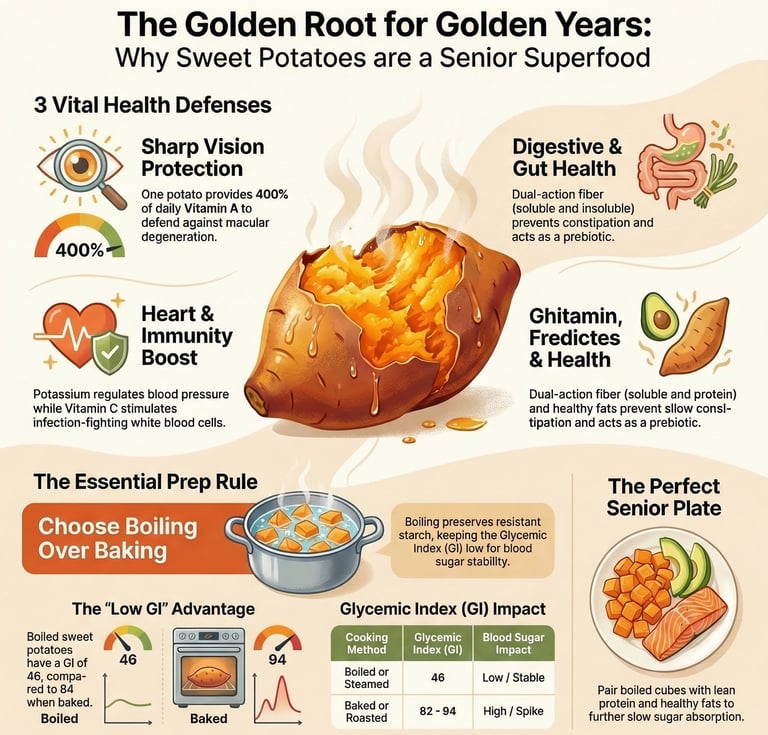
The Conversion: Your body converts beta-carotene into Vitamin A. A single medium sweet potato can provide over 400% of the recommended daily intake of Vitamin A.
The Benefit: Vitamin A is absolutely essential for the retina and cornea. Studies show that adequate intake of beta-carotene, often combined with other antioxidants, is linked to a reduced risk of developing advanced AMD and helps prevent dry eyes and night blindness.
2. Digestive Health: Fighting Constipation and Promoting Gut Flora
Digestion often slows down with age, leading to common issues like constipation and reduced nutrient absorption. Sweet potatoes tackle these problems head-on.
High Fiber Content: Sweet potatoes are packed with two types of fiber: soluble and insoluble.
Soluble fiber softens stool and aids regularity.
Insoluble fiber adds bulk, helping prevent constipation.
Prebiotic Power: The fiber in sweet potatoes acts as a prebiotic, feeding the beneficial bacteria (Bussell and Lactobacillus) in your colon. A healthy gut microbiome improves digestion, boosts overall immunity, and can reduce the risk of conditions like Irritable Bowel Syndrome (IBS).
3. Immunity Boost: A Shield Against Seasonal Illness
As the immune system naturally weakens with age, seniors need continuous support to fight off infections. Sweet potatoes deliver a triple-threat of immune-boosting nutrients.
Vitamin A (Beta-Carotene): This helps maintain healthy mucous membranes, acting as a crucial barrier to keep viruses and bacteria out of the body.
Vitamin C: A powerful antioxidant that stimulates the production of white blood cells, which are critical for fighting infection.
Antioxidants: The variety of antioxidants (especially anthocyanins found in purple sweet potatoes) help reduce oxidative stress and inflammation, strengthening the overall immune response.
4. Heart Health: Natural Blood Pressure Regulation
Sweet potatoes are excellent sources of potassium, a critical mineral for managing cardiovascular health.
Potassium's Role: Potassium works to balance the effects of sodium in the body, helping to regulate fluid balance and ease tension in blood vessel walls.
The Benefit: By promoting healthy blood pressure and supporting heart function, including sweet potatoes in your regular diet is a simple, delicious way to reduce risk factors associated with heart disease.
5. Blood Sugar Management: The Essential Cooking Rule
While sweet potatoes are naturally sweet, they are generally a better choice than white potatoes, especially for seniors managing Type 2 diabetes—but the cooking method is critical.
Glycemic Index (GI) Warning: High-heat cooking (like baking or roasting) converts the starches into a sugar called maltose, which significantly raises the Glycemic Index (GI).
Baked Sweet Potato GI: Can range from 82 to 94 (High).
The Senior Super-Tip: For stable blood sugar, always boil or steam your sweet potatoes. Boiling preserves more resistant starch and reduces the GI value, slowing down glucose absorption.
Boiled Sweet Potato GI: Can be as low as 46 (Low).
Expert Recommendation: If you are managing blood sugar, choose boiled or steamed sweet potatoes over baked or roasted ones. Control your portion size (about half a medium potato per serving) and pair it with a lean protein and healthy fat (like olive oil or nuts) to slow absorption further.
Simple Ways to Add Sweet Potatoes to Your Diet
Boiled Mash: Boil until tender, then mash with a tablespoon of Greek yogurt or a drizzle of olive oil instead of butter.
Steamed Cubes: Steam and dice, then toss into a salad with leafy greens for a full-antioxidant meal.
Soup Base: Blend boiled sweet potato cubes with vegetable broth, ginger, and a pinch of cinnamon for an immune-boosting, gut-friendly soup.
The sweet potato is truly a golden root for the golden years. By choosing the right preparation method, you can harness its full power to protect your health, simplify your nutrition, and enhance your longevity.
What is your favorite healthy way to prepare sweet potatoes (boil, steam, or mash)? Share your senior-friendly recipe idea
Disclaimer: This article provides general health and nutrition information. Always consult with your doctor or a registered dietitian before making significant changes to your diet, especially if you are managing a chronic condition like diabetes or macular degeneration.

Address
Blk 8 Cantonment Close
SIngapore