Visa rules change all the time. Stay legal by checking requirements for Asia's Travel and Retirement Visas. Updated July 2026.
The Senior's Guide to Japan: Why Choose Kobe's Modernity Over Kyoto's Tradition?
Choosing where to live in Japan? For seniors, Kobe's modern accessibility and international community often beat Kyoto's steep hills and high tourist crowds. Compare the key factors here.
TRAVELJAPAN
11/28/20253 min read
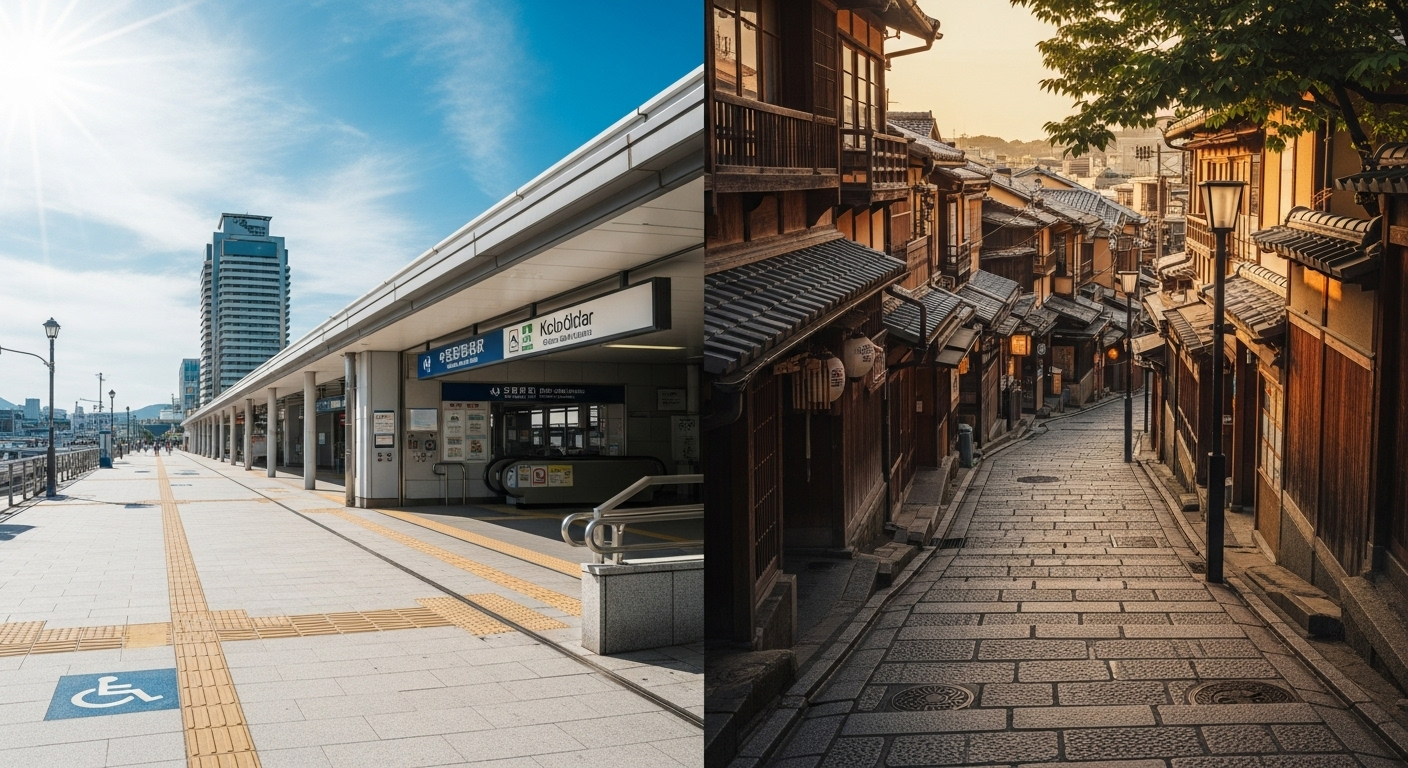
When planning an extended stay or retirement in Japan's beautiful Kansai region, two cities immediately spring to mind: Kyoto, the undisputed cultural heart, and Kobe, the chic, cosmopolitan port city.
For younger, highly mobile travelers, Kyoto is the obvious winner. But for seniors—whose priorities often center on accessibility, high-quality, English-speaking services, and manageable terrain—the choice is often surprisingly clear: Kobe offers distinct advantages over its ancient neighbor.
While Kyoto charms with its thousands of temples, Kobe delivers a lifestyle blend of modern convenience, international flair, and seaside tranquility that caters directly to the senior demographic. This is why you should look past the geisha districts and consider the city of Mount Rokko and famous beef.
1. Accessibility and Terrain: Hills vs. Harbor Walkways
For seniors, especially those with limited mobility or reliance on walking aids, the physical layout of a city is paramount.
The Kobe Advantage (Walkability): Kobe is built along a narrow strip between the mountains and the sea. Its central downtown area (Chuo Ward) and waterfront neighborhoods are flat and highly walkable. The city is clean, exceptionally well-organized, and the infrastructure, rebuilt after the 1995 earthquake, is modern. Transportation is seamless, with subway and train lines connecting major areas easily.
The Kyoto Challenge (Stairs & Gravel): While Kyoto's transportation is excellent (most buses are wheelchair-accessible), its most beautiful attractions—the temples, shrines, and old machiya districts—are often located on steep, cobblestone roads or feature gravel paths and numerous steps. The famous Fushimi Inari Shrine, for instance, is a 2-hour uphill hike. This can quickly lead to 'temple fatigue' and physical strain.
Verdict: Kobe offers more days of easy, comfortable, and low-stress walking.
2. Healthcare & Expat Services: The International Edge
Healthcare access is a primary concern for any older expat. Japan's national health insurance system is world-class, but accessing care in English can be a challenge.
The Kobe Advantage (English Services): Due to its history as a major international port, Kobe has a larger, longer-established international community than Kyoto. This translates to a stronger network of English-speaking services, particularly in the Chuo and Nada wards. Hospitals like the Kobe City Medical Center General Hospital have extensive experience catering to foreigners.
The Kyoto Challenge (Tourist vs. Resident Focus): Kyoto sees millions of tourists, meaning many services cater to short-term needs. While it has top hospitals (Kyoto University Hospital), English-language support can be less standardized than in Kobe, which has a deeper history of long-term foreign residents.
Verdict: Kobe offers a more seamless integration into the healthcare system for non-Japanese speakers.
3. Lifestyle & Environment: Mountain, Sea, and Space
Kobe provides a superior quality of life for those who enjoy a blend of urbanity and nature without intense tourist crowds.
Kobe (Modernity & Nature)
Crowds
Generally low outside central Sannomiya. Excellent retreat options in the hills.
Nature Direct access to the sea (Harborland) and the mountains (Mount Rokko and Arima Onsen), offering easy escapes via cable car.
Culture Unique international culture influenced by its trading port history (Kitano Ijinkan district, Chinatown).
Kyoto (Tradition & Crowds)
Crowds
Extremely high tourist density, especially in Gion and Higashiyama.
Nature
Beautiful forests and rivers, but escapes usually require longer trips outside the central city.
Culture
Deeply traditional, historical culture (temples, shrines, Imperial Palace).
Personal Insight: A retiree I spoke with who moved from Kyoto to Kobe mentioned that the sheer busyness of Kyoto wore them down. They found Kobe’s sea views and mountain air a better daily backdrop for relaxation.
4. Cost of Living: Marginal, but Real Savings
While both cities are relatively affordable compared to Tokyo, Kobe offers a slight edge in housing.
The Financial Reality: Rent prices are roughly comparable across the Kansai region. However, based on recent data, the average rent per square meter for a similar apartment size can be marginally lower in Kobe than in the most desirable central wards of Kyoto. Furthermore, Kobe’s status as a less famous tourist destination means less competition for long-term rentals.
Kyoto Housing Restriction: Kyoto’s strict preservation rules mean there are fewer large, modern apartment buildings available, driving up the cost of modern, accessible rentals.
Conclusion: The Best Choice for Your Golden Years
For seniors prioritizing ease of movement, readily available English services, and a more relaxed pace of life with excellent access to nature, Kobe is the superior choice over Kyoto.
While Kyoto is an essential destination for a visit, Kobe is arguably the better option for a comfortable, long-term Japanese home—a city that caters to those looking forward, not just backward.
Which city do you think is best for a comfortable senior life? Share your experiences living or traveling in Kobe or Kyoto.
Disclaimer: This article is for informational purposes only. Consult with an immigration specialist and financial advisor before making decisions about relocating or investing abroad.

Address
Blk 8 Cantonment Close
SIngapore