Visa rules change all the time. Stay legal by checking requirements for Asia's Travel and Retirement Visas. Updated July 2026.
What is the Best Dog Breed for Seniors? Top 10 Calm Companions
Find the perfect dog breed for your golden years! See the top 10 low-energy, small dogs for seniors, including the Cavalier, Shih Tzu, Pug, and Bichon Frise.
PASSION FOR HOBBIESLIFE-LONG LEARNING
12/4/20254 min read
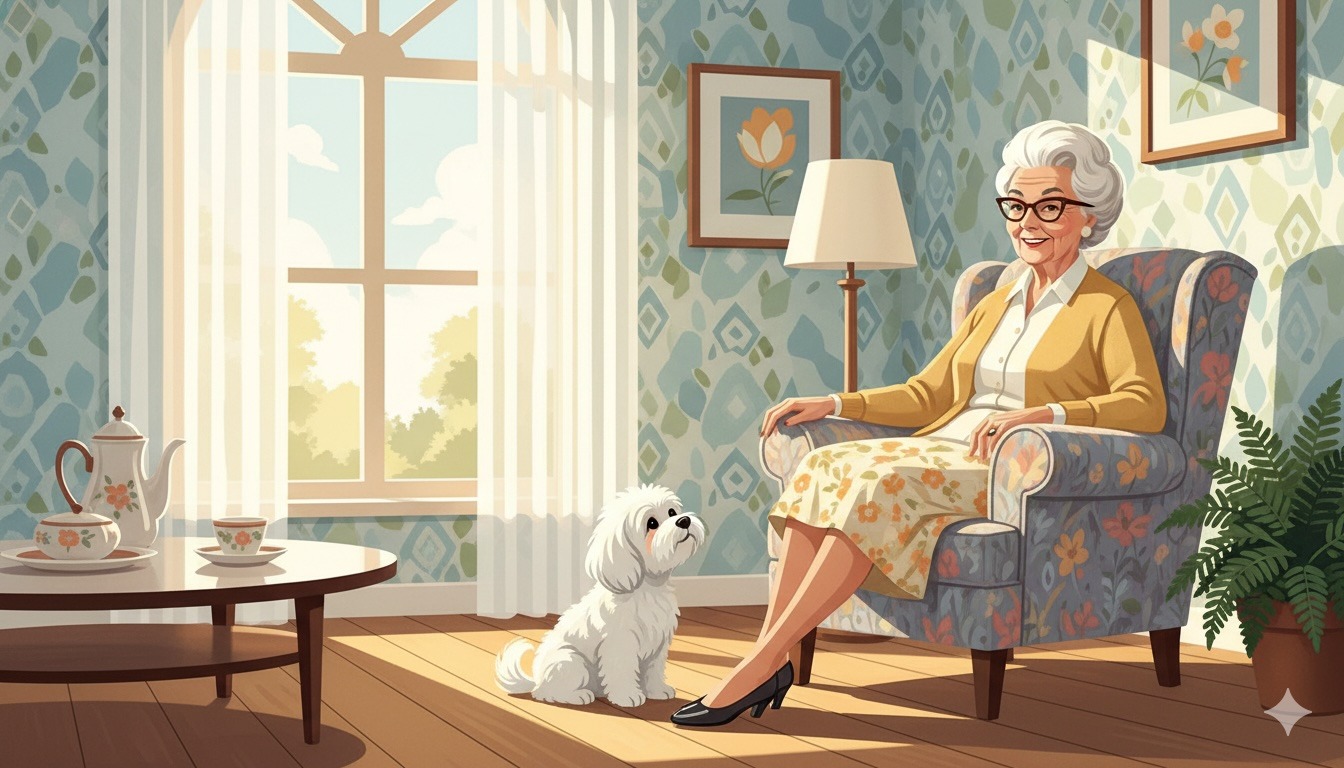
The right dog for your golden years is one that complements your pace of life. You need a friend who is low-energy, manageable in size, and happy to share a comfortable routine—not a tireless puppy demanding mountain hikes!
To help you find your perfect match, we've broken down the best dog breeds for seniors based on the key factors that matter most: size, energy level, grooming needs, and temperament.
The 4 Cornerstones of a Senior-Friendly Dog
Before diving into the list, keep these four priorities in mind:
Size & Strength Smaller breeds are easier to handle, bathe, and less likely to cause a fall by pulling on a leash. Under 30 lbs is generally ideal.
Energy Level Look for Low to Moderate energy. They should be content with a short daily stroll and indoor playtime, preferring a nap to a sprint.
Temperament Affectionate, patient, and easy-to-train dogs are crucial. Avoid breeds known for aggressive barking or high anxiety when left alone.
Grooming/Shedding Less shedding often means a cleaner home and easier maintenance. Hypoallergenic options are a bonus.
The Top 10 Best Dog Breeds for Seniors
The following breeds are consistently ranked by veterinarians and pet experts as ideal companions for senior citizens.
Category 1: The Ultimate Lap Dogs (Low Energy & Low Impact)
These breeds thrive on cuddles and are perfect for apartment living or owners with limited mobility.
Key Consideration


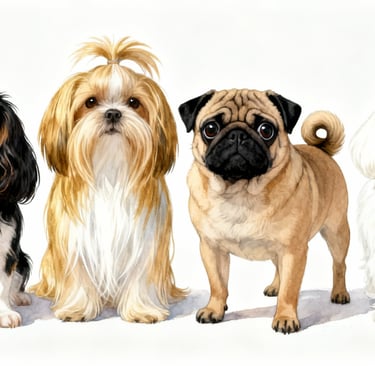
1.Cavalier King Charles Spaniel The quintessential lap dog. Gentle, quiet, incredibly affectionate, and highly adaptable. Their energy is low, requiring only short walks.Prone to specific heart conditions; ensure responsible breeding/vet checks.
2. Shih Tzu Bred purely for companionship. They are calm, friendly, and well-suited for apartment life. Their moderate exercise needs are easy to meet indoors.Requires regular professional grooming due to long coat, or a short "puppy cut."
3. Pug Charming, mischievous, and loving. Pugs are famous couch potatoes and have minimal exercise needs. They are happy to just nap on your lap. Prone to breathing issues (Brachycephalic) in heat; must avoid strenuous activity.
4. Maltese A gentle, sweet-tempered, and highly devoted breed. They are small and easy to manage or carry. Many are also low-shedding (hypoallergenic).Their long, silky white coat requires daily brushing to prevent matting.
Category 2: The Adaptable & Hypoallergenic Friends
For seniors concerned about allergies or wanting a slightly smarter, more engaged companion.
Key Consideration
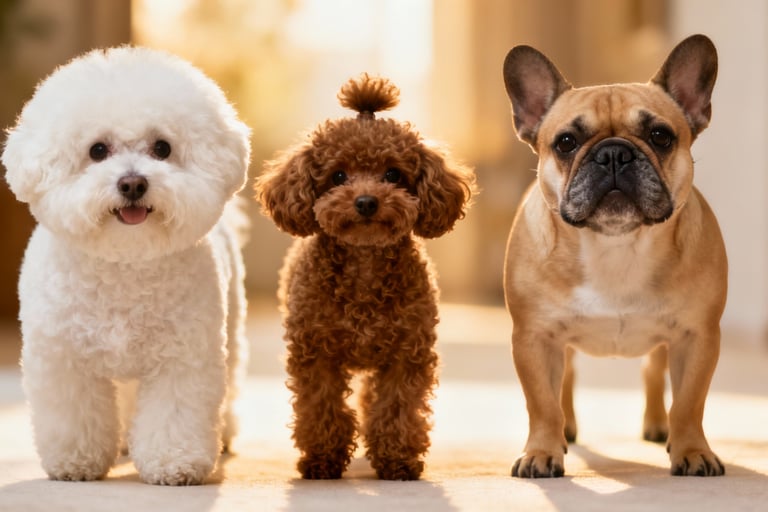
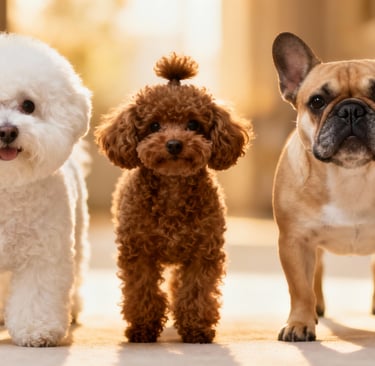
5. Bichon Frise Cheerful, playful, and the definition of a low-shedding/hypoallergenic breed. They are friendly with everyone and very trainable.Their fluffy white coat requires consistent professional grooming to prevent mats.
6. Toy or Miniature Poodle Extremely intelligent and easy to train. They are highly responsive and bond deeply. The Toy or Mini size offers all the brains in a manageable package.They are smart and need mental stimulation (e.g., puzzle toys) to avoid boredom.
7. French Bulldog Easygoing, quiet, and low-energy. Frenchies are compact, sturdy, and do not bark much, making them ideal for shared living spaces.Like Pugs, they are brachycephalic and sensitive to heat; keep walks short in warm weather.
Category 3: The Active/Unique Exception
For seniors who are more active, have a bit more space, or want a unique, larger companion that defies expectations.
Key Consideration
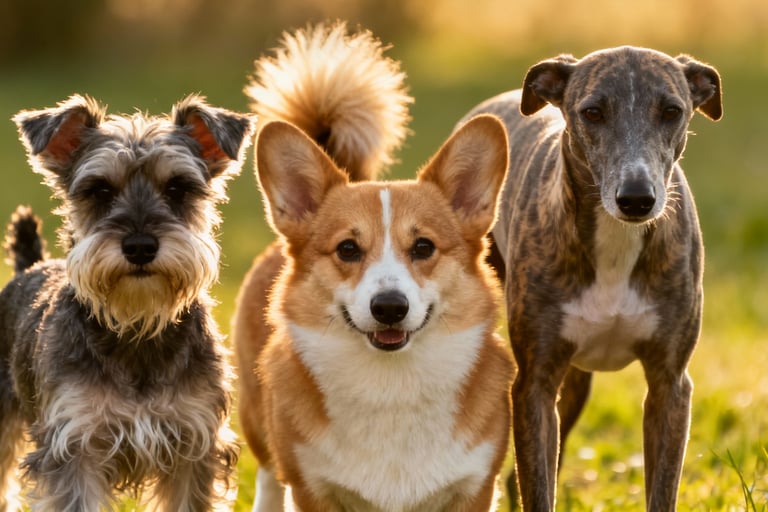
8. Miniature Schnauzer Alert, highly trainable, and makes an excellent watchdog without being overly aggressive. Their wiry coat is low-shedding.They can be a bit more energetic than a Pug and need daily, brisk walks to stay happy.
9. Corgi (Pembroke) A cheerful, sturdy, and highly entertaining companion. They are medium-energy and better for seniors who enjoy a routine of short, moderate daily activity. Can be prone to barking and shedding. They can also try to "herd" you by nipping at heels if not trained.
10. Retired Greyhound The Big Exception. Despite their size, they are known as "45-mph couch potatoes." They are gentle, quiet, and happy with one short walk a day and lots of napping. Needs space to stretch out and must be kept on a leash due to a strong prey drive.
The Most Important Decision: Considering a Senior Dog
No matter which breed you choose, consider skipping the puppy stage entirely.
Adopting a senior dog (7+ years old) from a shelter is often the absolute best choice for a senior citizen.
Pre-Trained: Senior dogs are almost always housebroken, leash-trained, and already know basic commands.
Known Temperament: Their personality is fully developed, meaning no surprises
Low Energy: They are past the destructive, high-energy phase and prefer calm, quiet routines.
A dog, young or old, is a long-term commitment. By prioritizing an animal that matches your energy, mobility, and lifestyle, you set yourself up for years of happy, healthy companionship.
Ready to find your companion? Contact your local Cavalier King Charles Spaniel Rescue or visit your nearest shelter and ask specifically about their available Senior Dogs!
Address
Blk 8 Cantonment Close
SIngapore