Visa rules change all the time. Stay legal by checking requirements for Asia's Travel and Retirement Visas. Updated July 2026.
Which Low-Maintenance Pets are Best Suited for Seniors Living Alone?
A guide for seniors living alone to find the perfect low-maintenance companion. Discover the best dogs, cats, birds, and fish that offer maximum joy with minimal effort.
PASSION FOR HOBBIES
12/2/20253 min read
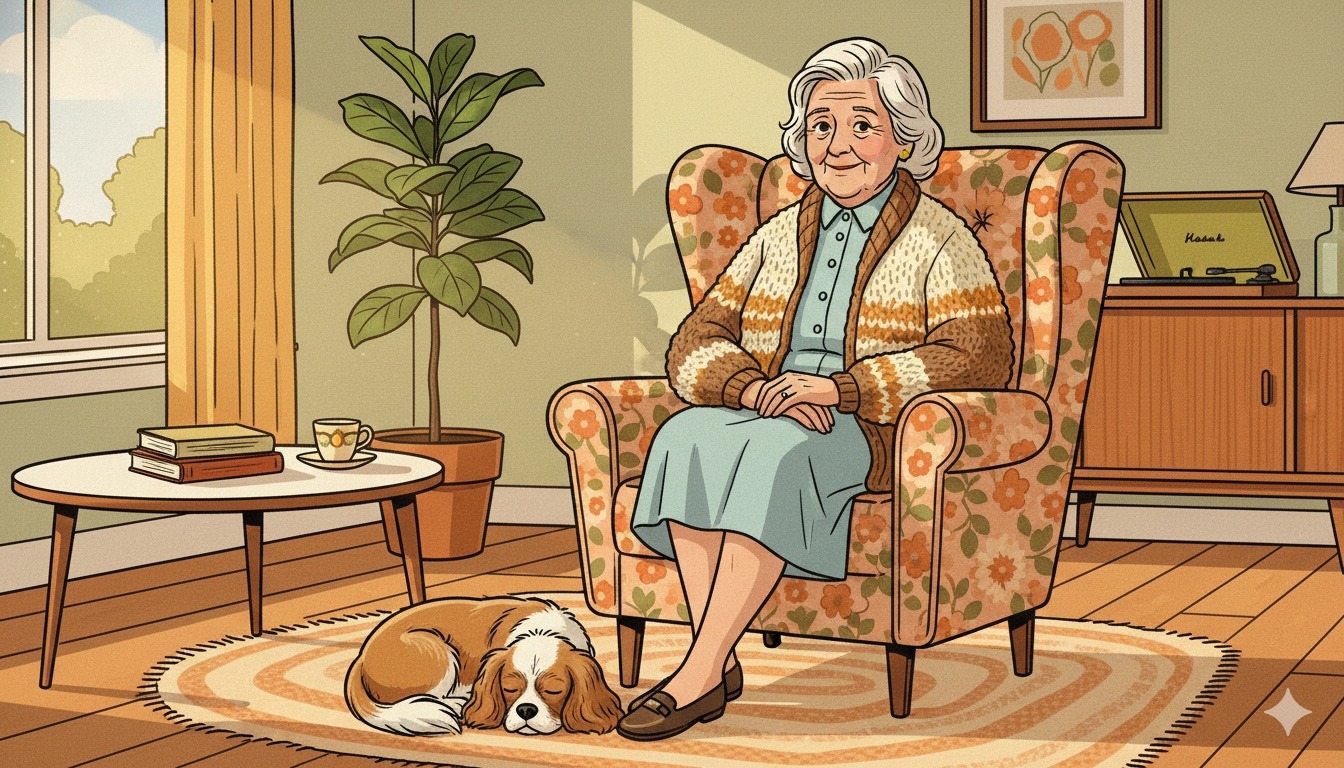
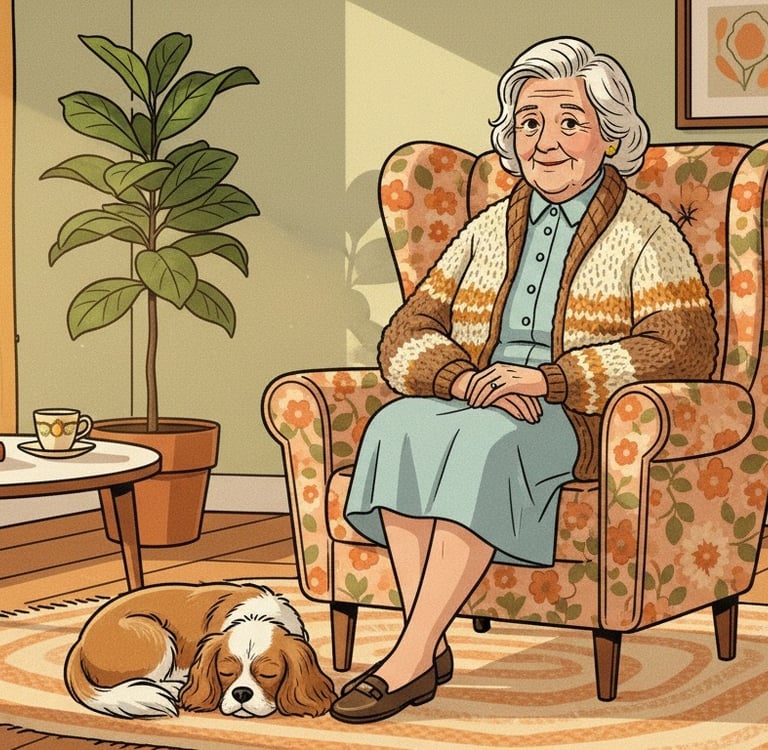
It’s no secret that pets are good for the soul—especially as we age. They offer unconditional love, routine, and a wonderful remedy for loneliness. I remember when my grandmother, after my grandfather passed, felt the house was simply too quiet. She wasn't up for the high-energy demands of a puppy, but she needed a friend. The solution? A pet that fit her lifestyle, not the other way around.
The challenge for seniors living alone often isn't the desire for a pet, but finding one that matches their mobility, energy level, and budget. The good news is, a low-maintenance companion doesn't mean a low-joy companion. It’s all about finding the perfect fit!
The Power of a Purr: Why the Low-Maintenance Pet Matters
Before we look at the candidates, let’s quickly confirm the "why." For seniors, a pet is often a crucial health tool.
Loneliness Antidote: A 2024 survey from the National Poll on Healthy Aging found that 88% of older adults said their pets helped them enjoy life, and 86% said their pets made them feel loved.
Routine and Purpose: Caring for a pet provides a non-negotiable routine—a key factor in maintaining cognitive function and motivation.
Heart Health: Studies reviewed by the American Heart Association have linked pet ownership (especially dogs) to a reduced risk of cardiovascular disease, potentially due to lower stress levels and increased physical activity.
The Top 5 Low-Maintenance Pet Categories
The perfect pet doesn't need to be high-energy, high-cost, or high-fuss. Here are the best low-maintenance options for seniors living alone:
1. The Senior Shelter Dog (The Gentle Soul)
Forget the puppy phase! An older dog (7+ years) is often pre-trained, calmer, and happy with short, leisurely walks.
Low-Maintenance Factors: They require less intense exercise, are often housebroken, and their sleeping habits match a senior’s slower pace. Many are content to simply nap at your feet.
Tip: Look for small to medium breeds and ask shelters specifically for dogs labeled "lap dogs" or "couch potatoes."
2. The Adult or Senior Cat (The Independent Co-Pilot)
Cats are the gold standard of low-maintenance companions. They are largely independent, handle their own grooming (mostly!), and don't need to be walked in the rain.
Low-Maintenance Factors: Litter boxes are easier to manage than constant outdoor trips. A cat’s love is often delivered via a warm presence and a comforting purr, requiring minimal physical exertion from the owner.
Data Point: A 2023 report from the Humane Society of the United States noted that senior cats and dogs are increasingly sought after by older adopters because they are less destructive and have already settled into their personalities.
3. Caged Birds (The Talkative Entertainer)
If mobility is a concern, a bird offers interaction and companionship without ever requiring floor movement.
Low-Maintenance Factors: Maintenance is contained to cleaning the cage and refilling food/water. Species like Canaries or Budgies are easy to manage and provide stimulating chirps and songs.
Bonus: A bird’s presence can alleviate the feeling of 'empty-house silence.'
4. Fish (The Calming Presence)
A beautifully maintained aquarium can be a stunning focal point and a surprisingly peaceful companion.
Low-Maintenance Factors: Minimal physical effort is required—just simple feeding and periodic water changes. The visual and auditory experience (the gentle bubbling) is scientifically proven to be calming.
Pro Tip: Choose a single Betta fish for the lowest maintenance. They require a small tank and are easy to care for, according to many aquarium supply experts in 2025.
5. Small Mammals (The Cuddly Pocket Pal)
Think rabbits, Guinea pigs, or hamsters. These animals require consistent but simple care, and their enclosures keep the mess contained.
Low-Maintenance Factors: They are easily entertained, often happy to live in a controlled environment, and offer cuddly interaction when supervised outside the cage.
Important: Planning for the Future
Owning a pet is a long-term commitment. It’s vital for seniors to have a plan for two key things:
Financials: The cost of vet care is a major concern. Look for community programs. The American Veterinary Medical Association (AVMA) notes that many non-profits offer financial aid or reduced-cost clinics for seniors in need.
Succession: Make arrangements with a trusted family member or friend who has agreed to take the pet if the senior needs to move or can no longer provide care.
Finding the right pet shouldn't be a source of stress. It should be the start of a beautiful, peaceful companionship that enhances your health and fills your quiet home with life and unconditional love.
Have you found the perfect low-maintenance pet? Share your story and what makes your furry, feathered, or scaled friend the best companion.
Disclaimer: This article is for informational purposes only and does not constitute professional advice.

Address
Blk 8 Cantonment Close
SIngapore