Visa rules change all the time. Stay legal by checking requirements for Asia's Travel and Retirement Visas. Updated July 2026.
Why is the Flu Shot Essential for Your Next International Trip? Very important for seniors!
Don't let the flu ruin your vacation. Learn why the flu shot is essential for international travel, when to get it, and how it protects you in crowded spaces.
USEFUL MEDICAL KNOWLEDGE
11/23/20253 min read
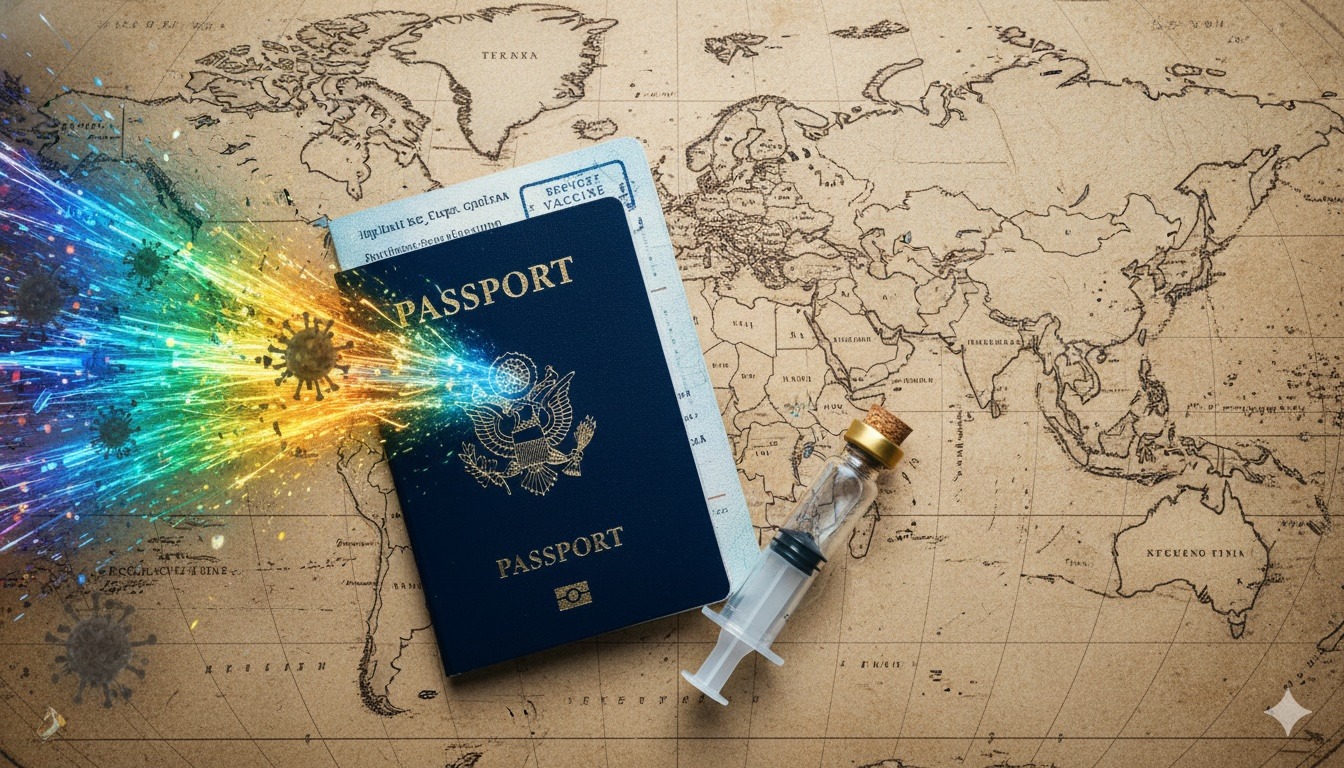
Imagine this: you've spent months planning your dream vacation—booking that tiny, perfect Airbnb in Paris, scheduling a sunset cruise in the Mediterranean, or trekking through the rainforests of Costa Rica. You're finally on the plane, excited, counting down the minutes. Then, halfway through the flight, that telltale tickle starts in your throat. By the time you land, you have the chills and a fever. Your perfect trip? Just became a week-long staycation in a foreign hotel room, watching subtitled reality TV and rationing the ibuprofen you packed.
We all want to protect our travel investment. While we worry about lost luggage and missed connections, one of the biggest threats to a vacation is the one we can easily prevent: the flu. If you are planning an international adventure, the annual flu shot is not just a good idea—it’s an essential part of your pre-departure checklist.
Why Your Passport Needs a Flu Shot Companion
The logic is simple, but the science behind it is crucial for a global traveler. When you cross borders, you cross into new zones of risk, and that standard flu defense you think you have might not be enough.
1. The Global Germ Pool in a Small Space
Airports, cruise ships, and packed tour buses are essentially giant, floating petri dishes. We all know this, but the data is striking:
According to a 2018 study published in the Proceedings of the National Academy of Sciences (PNAS), a single person infected with the flu can potentially infect an average of $4.6$ people on a 7-hour flight when they are sitting within three rows of the sick person. Being vaccinated creates a strong line of defense in these high-exposure environments.
The moment you step into a crowded terminal, you are mingling with people from countries with different circulating virus strains. The flu shot helps bolster your immunity against the common strains you're most likely to encounter.1
2. Battling the Opposite Season
This is the big one that catches many travelers off guard. If you live in the Northern Hemisphere (where flu season typically runs October to May) and travel to the Southern Hemisphere (where their flu season peaks around April to September), you can walk right into a high-risk time.
A few years ago, I booked a last-minute trip to Australia in July. I’d had my flu shot the previous fall, but figured I was fine. Wrong. I spent a miserable three days holed up in Sydney with a raging fever, realizing I’d completely forgotten about their winter. The lesson? A shot developed for one hemisphere's flu season may not perfectly match the strains circulating in the opposite one. But getting the most recent, available vaccine offers better cross-protection than having no protection at all.
3. Protecting Vulnerable Communities
A flu shot isn't just about protecting yourself; it's about protecting others.2 Travelers are major vectors for disease spread.3 By getting vaccinated, you reduce your chances of catching the virus and, critically, reduce your chances of transmitting it to others, especially high-risk individuals in the communities you visit.4
The CDC confirms that flu vaccination has been shown to reduce flu-related hospitalizations by about 40 to 60% among the general population during seasons when circulating viruses are well-matched to the vaccine.
The Golden Timing Rule for Travelers:
The flu vaccine takes about two weeks for your body to develop a protective antibody response. The general advice is to get your shot at least 14 days before your departure date. Don’t wait until the day before you leave!
The Flu Shot Saves More Than Just Your Health
Think of the costs. A flu-related hospitalization abroad could cost thousands of dollars, even with travel insurance. Beyond the financial impact, there’s the sheer inconvenience. A severe flu can derail complex itineraries, force you to rebook expensive flights, and potentially require isolation.
Summary of Benefits for the International Traveler:
Reduces Risk of Illness: Less chance of getting sick and completely missing your vacation.9
Mitigates Severity: If you do get the flu, your symptoms are likely to be milder.
Prevents Travel Delays: Avoid missed flights, cruises, or mandated quarantines due to illness.10
Protects Others: You protect your travel companions and the global communities you visit.
Don't let the flu be the unexpected souvenir you bring home (or the reason you never leave the hotel). Talk to your travel health clinic or doctor about the appropriate vaccination schedule for your destination and departure date. Plan the logistics, pack the right gear, and secure your best defense against influenza.
Before you pack your bags, pack your protection.
📣 Call to Action (CTA)
Did this article help you prepare for your trip? Share this with a fellow traveler who needs the reminder
Disclaimer: This article is for informational purposes only and does not constitute professional medical advice. Always consult with a qualified healthcare provider or travel medicine specialist before making decisions about your health or vaccinations.

Address
Blk 8 Cantonment Close
SIngapore