Visa rules change all the time. Stay legal by checking requirements for Asia's Travel and Retirement Visas. Updated July 2026.
What is Tet? Decoding the Heart, Soul, and Superstitions of Vietnam's Lunar New Year
Uncover the magic of Tet! Learn the essential Vietnamese New Year traditions, family customs, lucky superstitions, and travel tips for Vietnam's biggest holiday.
VIETNAMFESTIVALS
1/31/20263 min read
🏮 The Biggest Holiday You've Never Really Understood
If you've heard of the Lunar New Year, chances are you picture firecrackers, dragon dances, and the color red. While all those are part of the fun, in Vietnam, the holiday—known as Tết Nguyên Đán (or simply Tết)—is an emotional, cultural, and spiritual force unlike any other. It’s not just a holiday; it’s a national pilgrimage, a massive family reunion, and a carefully choreographed reset for the entire country.
I remember once trying to book a train ticket from Hanoi to Da Nang during the weeks leading up to Tet. It was impossible. Every seat was reserved months in advance because everyone, everyone, was heading back home. It's that moment when Vietnam collectively hits the "reset" button, prioritizing family, ancestors, and good fortune for the year ahead.
But what exactly is Tet, and why does it feel so significant? Let's dive into the heart, soul, and essential superstitions that define Vietnam’s most sacred time.
💖 The Heart: Family, Ancestors, and Home
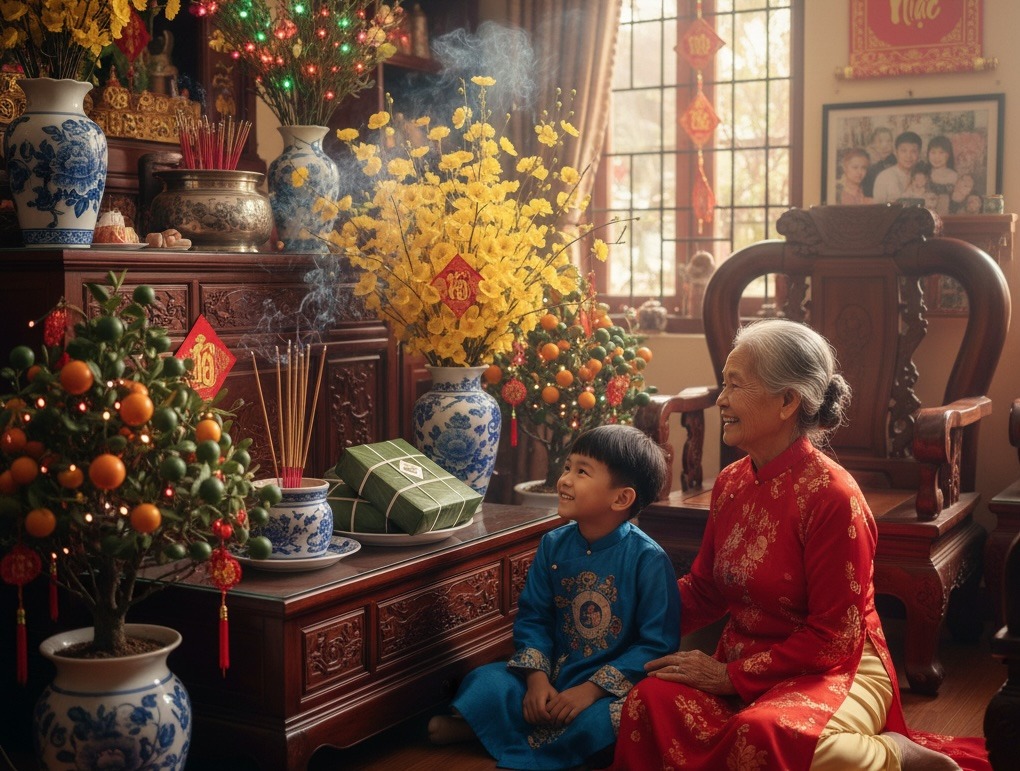
At its core, Tet is about family and remembrance. It is a time when the living invite their ancestors to join the celebration. This tradition is the emotional anchor of the holiday.
The Journey Home: Millions travel across the country to be with their immediate and extended families. This focus on family is paramount, often overriding work commitments and financial concerns.
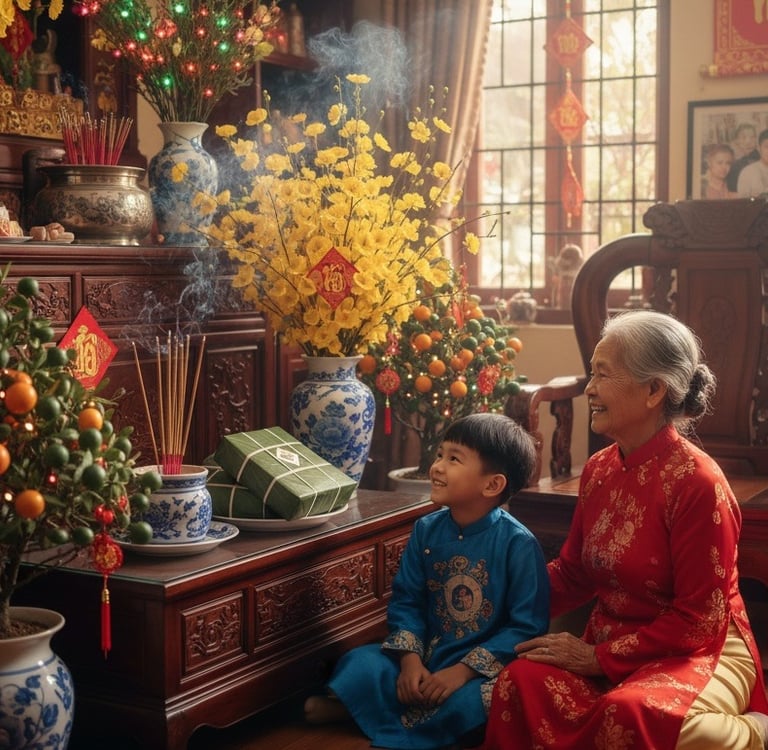
Ancestral Altars: Homes are meticulously cleaned and decorated, and the ancestral altar is the center of attention. Offerings of fruit, flowers, and the essential bánh chưng (a square, sticky rice cake filled with pork and beans) are placed here. This act of respect and memory ties the present generation to the past.
The Focus on Freshness: Everything must be mới (new/fresh). New clothes, a newly cleaned house, and a debt-free start are all part of the preparations.
🕊️ The Soul: The Pursuit of Fortune
While the dates shift based on the lunar calendar, the meaning is constant: securing good luck for the next 12 months. This pursuit dictates many of the holiday’s traditions.
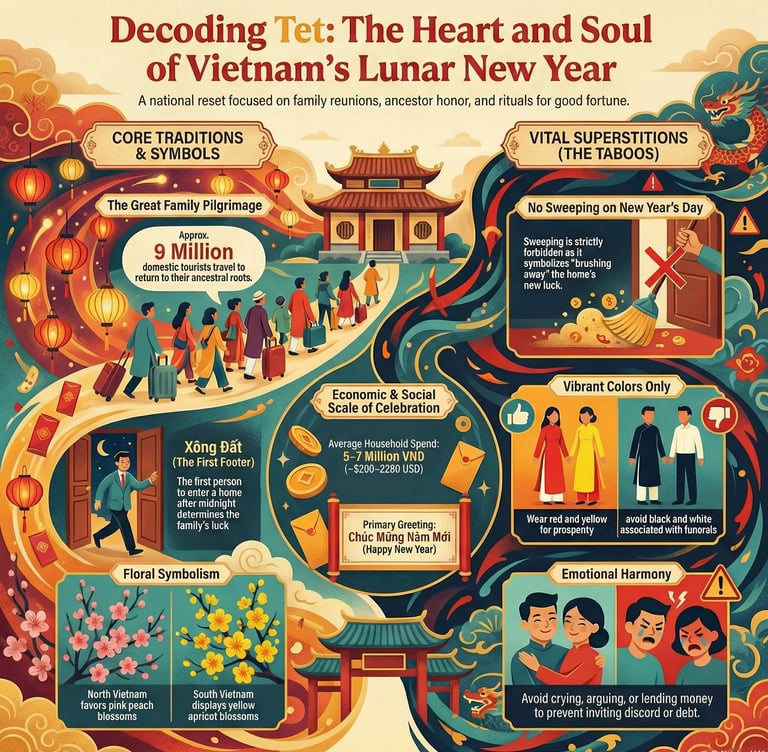
The First Footer (Xông Đất): The most critical superstition occurs on the very first day of the new year. The first person to step into your house after midnight is believed to set the tone for your family’s fortune all year. Families often carefully choose a respected, successful, or upbeat person (a "good spirit") to be the xông đất.
Giving Lucky Money (Lì Xì / Mừng Tuổi): Adults hand out red envelopes (lì xì) containing "lucky money" to children and elders. This isn't just a gift; it’s a symbolic act of wishing prosperity, health, and success.
Fun Fact: A 2024 report by Statista projected that the average expenditure on Tet celebrations in Vietnam would be around 5-7 million VND (approximately $200-$280 USD) per household, showcasing the economic importance of this celebration.
🤫 The Superstitions: What Not to Do
Tet is defined as much by what you do as by what you must avoid. Breaking these rules is believed to invite misfortune.
No Sweeping on New Year’s Day You might sweep away the wealth and luck that has just entered your home!
No Arguing or Crying
Arguments invite discord for the whole year. Crying invites sadness. Maintain a cheerful atmosphere.
Avoid Black and White Clothes
These colors are traditionally associated with funerals and mourning; bright, vibrant colors (especially red and yellow) are preferred.
Don’t Ask for Money or Lend Money
This can signify a year of financial need or, conversely, a year of being constantly asked for loans.
🌸 Embodying Spring: Flowers and Festivals
The holiday is intrinsically linked to the coming of Spring. In the North, families covet the pink hoa đào (peach blossom) tree, symbolizing growth and renewal. In the South, it's the yellow hoa mai (apricot blossom), representing warmth and wealth.
The phrase Chúc Mừng Năm Mới (Chúc Mừng Năm Mới) is the ubiquitous greeting, meaning "Happy New Year." For visitors, using it is a simple way to show respect for this deep cultural celebration.
According to the Vietnam National Administration of Tourism, approximately 9 million domestic tourists travel during the Tet holiday period, making it the busiest travel season internally. This massive movement underscores the cultural importance of returning to one’s roots.
Vibrant, spiritual, and deeply rooted in ancestral respect, Tet is the ultimate expression of Vietnamese identity. It’s a time to pause, remember, and hope for a better tomorrow.
👉 Call-to-Action
Have you experienced Tet in Vietnam? Share your favorite memory or tradition in the comments below! If you found this guide helpful, please share this article with a friend planning a trip to Southeast Asia.
How the world celebrate Spring Festival
What is the CNY Reunion dinner about?
Spring Festival is celebrated in 7 countries in Asia
Disclaimer: This article is for informational purposes only and does not constitute professional advice.

Address
Blk 8 Cantonment Close
SIngapore